Tuesday, January 26, 2021

Now on PSVR: ‘Pistol Whip 2089’ Update Brings Slick Synthwave & Remixed Gameplay That’s Right On Key

Pistol Whip is a VR rhythm shooter which has made its mark as one of the best and most rated games on Oculus Quest. Almost one year to the month after its launch, the game saw its most ambitious update yet; the Pistol Whip ‘2089’ update packages a slick synthwave soundtrack as a sort of mini-campaign that brings subtle but meaningful tweaks and new challenges to the gameplay. Launched first on PC and Quest, the free Pistol Whip ‘2089’ update is now available on PSVR.

Update (January 26th, 2089): The free Pistol Whip ‘2089’ update is available now on PlayStation VR. The update originally launched on Quest, Oculus PC, and Steam in late November. Our impressions of the update, from the PC version of the game, continue below.

Original Article (November 30th, 2020): Since its release last year Pistol Whip [our review] has seen regular updates bringing new songs and scenes to the game. From its initial 10 tracks, five additional tracks were added in the ‘Reloaded’ series, and another three in the ‘Heartbreaker’ update.

The Pistol Whip ‘2089’ update, available on Quest, Oculus PC, Steam, and PSVR drops five additional levels, bringing the game’s total count to 23.

But ‘2089’ is more than just five new tracks. This time around, they’re presented as a cohesive narrative that plays out from one track to the next—a ‘concept album’, if you will. Further still, ‘2089’ brings remixed gameplay that hits the mark by mixing things up without straying far from the game’s signature gameplay.

‘2089’ drops you into a series of cyberpunk-themed scenes interlinked with short, graphic novel-style cutscenes with great art and well-voiced dialogue from the character you inhabit. There’s no crazy deep story here, but having an underlying narrative to tie everything together sets the stage for the new environments and enemies you’ll encounter.

This is the caliber of the still artwork (by artist Fico Ossio) that makes up the narrative interludes between 2089’s levels | Image courtesy Cloudhead Games

The core of Pistol Whip is still very much intact in ‘2089’; you’ll still find yourself continuously running along a straight path while dodging bullets and returning fire at enemies that appear mostly on the sidelines. But part way through ‘2089’ you’ll find a new weapon—a futuristic pistol with a four-round burst—that changes the way you play.

When you pull the trigger, the ‘2089’ pistol will automatically shoot as many of its four bullets as necessary into your target, meaning you can pull the trigger on the two-hit enemies and the gun will automatically fire two bullets to dispatch them. But beyond that, you can string one burst between multiple enemies, allowing you to take down rows of four one-hit enemies with the swing of your gun across them.

While Pistol Whip’s prior ‘dual-wielding’ mode made me feel like the bad-ass hero of Equilibrium (2002), ‘2089’ brings Wanted (2008) vibes, thanks to the way you swing your gun across enemies.

View post on imgur.com

While the new pistol gives you an enjoyable power boost, ‘2089’ balances things with new enemies and scenarios, at times pushing the game nearly into ‘bullet hell’ territory.

You’ll find yourself face-to-face with turret enemies which fire continuous salvos of bullets that must be smoothly dodged around. While enemies directly in front of you could once be optionally shot or pistol whipped, this time around many will be running straight at you with impenetrable shields and can only be pistol whipped.

View post on imgur.com

Meanwhile, strings of one and two-shot enemies will line up for you to knock down with your burst-fire, but if you aren’t quick about it you’ll be facing a hailstorm of bullets heading in your direction.

‘2089’ also delivers a fun and challenging climax which is unlike anything seen previously in the game and feels like a satisfying end to the chapter. I don’t want to spoil anything, but let’s just say you’ll be glad you’ve got the extra firepower.

I would have loved to see the ‘2089’ pistol unlocked as a modifier for use in the game’s other levels, or the ability to use the game’s existing modifiers in the new ‘2089’ levels, as a reward for completion. And it would have been a nice touch to have a full avatar body (or at least arms) to make you feel more like you’re inhabiting the cool cyborg character. But those are minor gripes for what is otherwise a tasty slice of new content that hits all the right notes with some great music, a polished presentation, and remixed gameplay that balances extra firepower with new challenges. And it’s free to boot!
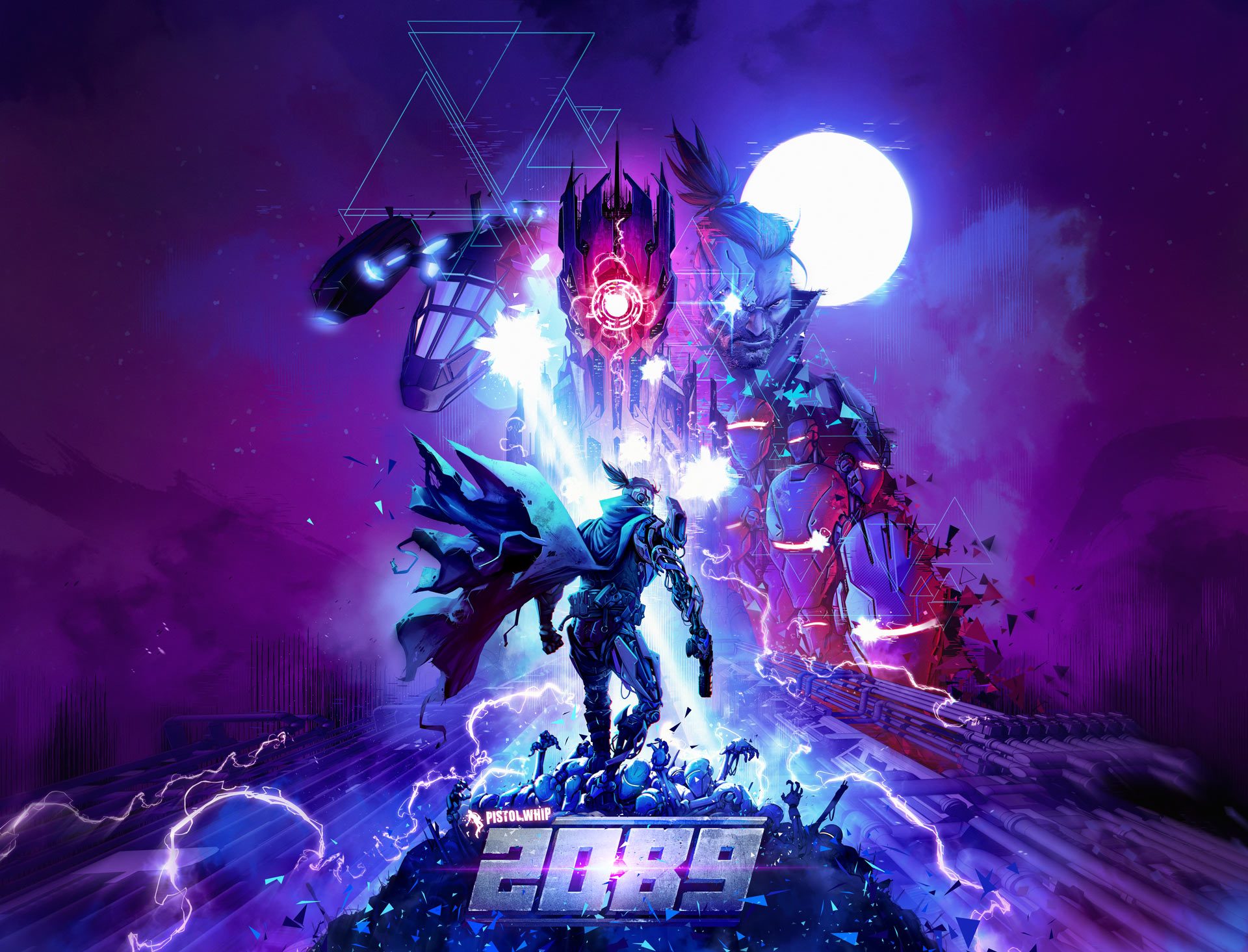
Image courtesy Cloudhead Games

Developer Cloudhead Games has set a high bar for itself with ‘2089’, and shown that it’s willing to take Pistol Whip’s gameplay in new directions. I can’t help but be curious about what we’ll see next.

The post Now on PSVR: ‘Pistol Whip 2089’ Update Brings Slick Synthwave & Remixed Gameplay That’s Right On Key appeared first on Road to VR.


Ream more: https://www.roadtovr.com/pistol-whip-2089-update-review-impressions/

VR Design App ‘Gravity Sketch’ is Now Free for Individual Users

Gravity Sketch is a 3D modeling software that supports PC VR headsets and Oculus Quest. Up until now, the consumer app was priced at $25, but now the studio has just made it completely free for individual users.

Launched into Steam Early Access in 2017, Gravity Sketch has been lauded for its full-featured VR creation tools and support for traditional peripherals such as Wacom tablets.

It’s more complicated than creation apps like Tilt Brush or Oculus Quill, but it also has an impressive range of design-oriented tools that are aimed at everything from product ideation to digital asset modeling. The app supports Oculus Quest, Oculus Rift, and SteamVR headsets.

“Providing a free product allows us to welcome a more diverse user group,” Gravity Sketch co-founder and CEO Oluwaseyi Sosanya says in a blogpost. “Early Adopters have helped support the development and R&D. These users have been instrumental to what we have built to date; many of whom brought Gravity Sketch into their formal workflow which resulted in enterprise contracts that helped accelerate our revenues to the point at which we can support and grow the team and platform.”

The basic version for individual users, which is now free on all platforms, includes the ability to import images and video (.jpg, .png, .mp4), import/export .obj with textures and materials, and utilize infinite layers. It also gives you access to 1GB of cloud-saves via the company’s free Landing Pad service.

The paid business version includes enterprise-level support and security, cloud backup, and support for more 3D file types such as IGES, FBX, GLTF, Blender files (.blend), STL, and Collada (.dae). It also includes the ability to collaborate live with teams across the world in the same virtual studio.

The post VR Design App ‘Gravity Sketch’ is Now Free for Individual Users appeared first on Road to VR.


Ream more: https://www.roadtovr.com/gravity-sketch-free-vr-quest-steam/

‘The Walking Dead: Saints & Sinners’ for Quest is Getting ‘The Trial’ Wave Mode Next Week

The Walking Dead: Saints & Sinners (2020), Skydance Interactive’s hit single-payer zombie shooter, now has a revised release date for the Oculus Quest release of ‘The Trial’, its wave-based mode.

Update (January 26th, 2020): Skydance Interactive announced The Trial game mode is coming in later than its originally announced January 20th release date. The studio says it will be available for the Oculus Quest platform on Thursday, February 4th. The original article follows below:

Original Article (December 22nd, 2020): Called ‘The Trial’, the game’s one-year anniversary update is slated to launch for free on the Quest platform on January 20th, 2021. (see update)

The Trial game mode lets players take on increasingly difficult waves of zombies. Points based on the your zombie-killing performance are tallied up so you can buy a variety of weapons and crafting items, preparing you for the next, more difficult wave. The Trial previously came as a part of the ‘Meatgrinder’ update on the game’s other supported platforms this summer.

Launched first on PC VR headsets January 23rd of this year, and then later to PSVR this summer, Saints & Sinners garnered critical acclaim for its cohesive RPG-style story, zombie-killing action, and intensely immersive visuals. With the launch of Quest 2 in October, the game also landed on the Quest platform for the first time, offering up to Quest owners such a comparatively well-realized experience that we gave it our 2020 Oculus Quest Game of the Year.

Set in a post-apocalyptic New Orleans, players navigate the uncertain waters of gang warfare whilst taking on hordes of dangerous walkers. Scrounging for all manner of weapon and crafting item is important too since everything seems to break right when you need it most. In our full review [9/10], we completed the game in 11 hours, but noted that once the credits roll there wasn’t much left to do besides continue to level up weapons and find the best loot.

The Trial brought some much needed wave-based mode to the the game on PC VR and PSVR, but wire-free gameplay is always an added bonus when you have to keep your head on a swivel.

The post ‘The Walking Dead: Saints & Sinners’ for Quest is Getting ‘The Trial’ Wave Mode Next Week appeared first on Road to VR.


Ream more: https://www.roadtovr.com/walking-dead-saints-sinners-trial-mode-release-date/

‘The Walking Dead: Saints & Sinners’ Surpasses $29M in Revenue

Skydance Interactive announced that its gritty zombie-flavored survival horror game, The Walking Dead: Saints & Sinners (2020), has now surpassed a whopping $29 million in revenue.

The Walking Dead: Saints & Sinners immediately garnered critical acclaim when it was first launched on PC VR headsets last January. The combat-heavy adventure has since launched on PSVR and Oculus Quest, giving it the best chance at reaching basically anyone with a VR headset.

We liked it so much, we named it Road to VR’s Oculus Quest Game of the Year for its intense physics-based combat and intriguing story, which has you scrounging around as a new survivor in a post-apocalyptic New Orleans. You can choose to side with rival factions, or walk your own path. Either way, you’ll need a pointy stick and a gun to survive the hordes of undead. Find out why we gave it a resounding [9/10] in our full review.

Here’s a quick breakdown: at its $50 price tag for the more expensive ‘Tourist Edition’ on PC and PSVR, that gives it a hard bottom of 580,000 units sold. That’s not taking into account that the standard edition sells for $40 on PC and PSVR, and the ‘Tourist Edition’ for $40 on Quest. That puts it somewhere between 580,000 – 725,000 total units sold across all platforms, which doesn’t account for periodic sales either.

Notably, Skydance says since its launch on Quest in October 2020, the game sold “10× more” on Quest in comparison to the Oculus PC version.

Since Quest’s launch in 2019, the standalone platform has sold over $150 million in games and apps. And Quest 2 has already surpassed the original 2019 Quest in monthly active users—a strong indicator of how rapid things are moving in VR right now.

Looking back, it was only a few months ago when Facebook announced that 20 games on the Oculus Quest platform had surpassed $1 million in revenue—a heady thought for anyone who’s been following consumer VR since its rebirth in 2016.

The post ‘The Walking Dead: Saints & Sinners’ Surpasses $29M in Revenue appeared first on Road to VR.


Ream more: https://www.roadtovr.com/walking-dead-saints-sinners-29-million-revenue/

Despite Shortages, Valve Index Among Steam’s 5 Best Selling Products for 13 Weeks Straight

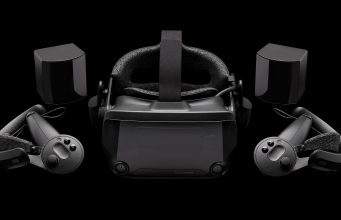
A small number of people willing to buy an expensive product can really add up, as Valve is finding with its high-end Index headset. Despite supply shortages brought on by the Coronavirus pandemic, the headset has made frequent appearances among the best selling products on Steam by revenue, including an ongoing 13 week streak in the top 5.

From a unit standpoint, it’s unlikely that the $1,000 Valve Index is selling all that many headsets compared to cheaper headsets like Oculus Quest. But from a revenue standpoint, the headset seems to be treating Valve very well.

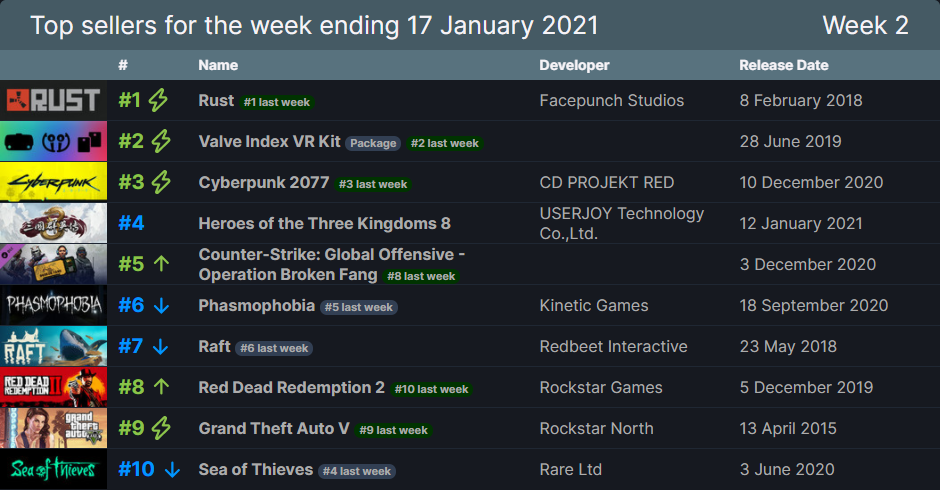
Although Valve doesn’t share how much revenue individual products make on its platform, Steam does rank the top selling products, by revenue, each week. SteamDB maintains an archive of the weekly top 10.

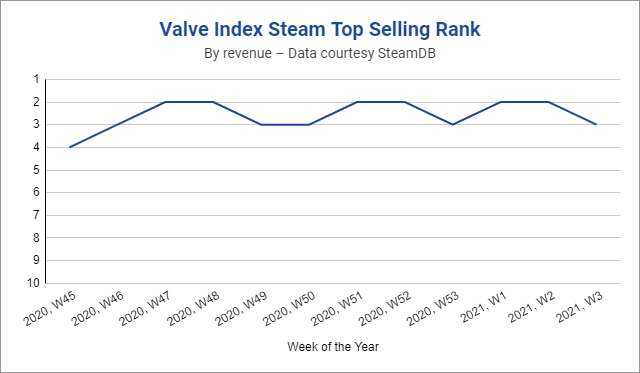
With Valve Index supply ramping back up after supply disruptions, we can see that the $1,000 headset has been among the top five best selling products for 13 weeks running.

It’s worth remembering that the ranking is by revenue; to put things into perspective, each Index kit sold costs the same as about 17 games at $60 each. Still, it seems quite impressive that the headset’s revenue is ranking alongside some of the world’s best selling games. On certain weeks over its 13 week streak, Index has surpassed the weekly revenue of major games like Cyberpunk 2077, Red Dead Redemption 2, and others.

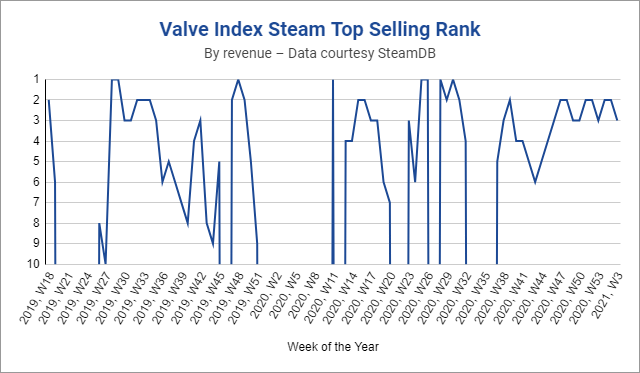
Looking at the historical data, we can see how often the headset has permeated the top 10 best selling Steam products of each week, including eight separate weeks where it’s topped the charts at #1.

Given how infrequently Valve’s own Half-Life: Alyx has appeared in the top 10, we’d wager that the headset has earned the company far more revenue. Granted, profit is a different story; Valve isn’t believed to be making much profit from each Index sold, but still, a large revenue stream generated by the headset is overall a good thing for the company, as long as it’s breaking even or better.

While the headset’s placement among the top 10 best selling Steam products is certainly affected by the seasonal nature of major game releases, the long term look at the ranking likely also signals how the headset’s availability has fluctuated since release. We can see large gaps in the headset’s top 10 appearance for 6 weeks right after its release in mid-2019, as well as a 12 week gap at the start of 2020, and a 4 week gap in mid-2020.

In a recent interview with New Zealand’s 1 News, Valve head Gabe Newell explained how the Coronavirus pandemic hampered the company’s ability to meet the demand for the headset.

“We actually have components that are manufactured in Wuhan [where the outbreak began] and when you’re setting up your manufacturing lines it doesn’t occur to you that you’re suddenly going to be dependent on this peculiar transistor that’s sitting on one board that you can’t get,” Newell said.

“[Everyone who builds electronics] ended up running into the same problem simultaneously—you go from, ‘Oh, we’re in great shape,’ to, ‘What do you mean Apple or Microsoft just bought the next two years’ supply of this just so they could make sure they aren’t going to run out?'”

“You went from a situation where everything was getting done just in time to people buying up all the available supplies.

“[…] we’re very much manufacturing constrained.”

While the company indeed struggled to keep up with demand in 2020, supply appears to be picking up rapidly as 2021 gets underway.

The post Despite Shortages, Valve Index Among Steam’s 5 Best Selling Products for 13 Weeks Straight appeared first on Road to VR.


Ream more: https://www.roadtovr.com/valve-index-best-selling-steam-products-streak/

Monday, January 25, 2021

‘Echo VR’ Introduces Battle Pass to Monetize Game with Premium Cosmetics

Echo VR, the social VR sport game available on Oculus PC and Quest, is getting a ‘battle pass’ system called Echo Pass. Similar in structure to other battle passes for free-to-play games, the pass will allow players to unlock some free cosmetic customizations for the game, while premium cosmetics can be unlocked with real money.

The ‘battle pass’ approach to game monetization has seen increasing popularity in the last few years alongside the rise of free-to-play games like Fortnite, Apex Legends, Call of Duty: Warzone, and others.

Echo VR (2017), the multiplayer spinoff of Lone Echo (2017), is adopting the same approach with the introduction of the Season 1 Echo Pass, which Echo VR developer Ready at Dawn announced today. The Echo Pass is available first in a closed beta (which players sign up for here), with a formal launch date to follow the testing period.

Like other battle pass approaches, the Echo Pass is focused on in-game cosmetic customizations that aren’t intended to impact gameplay balance. Players can unlock the rewards included in the Echo Pass by earning experience points from playing the game, or by paying real money to buy the experience points.

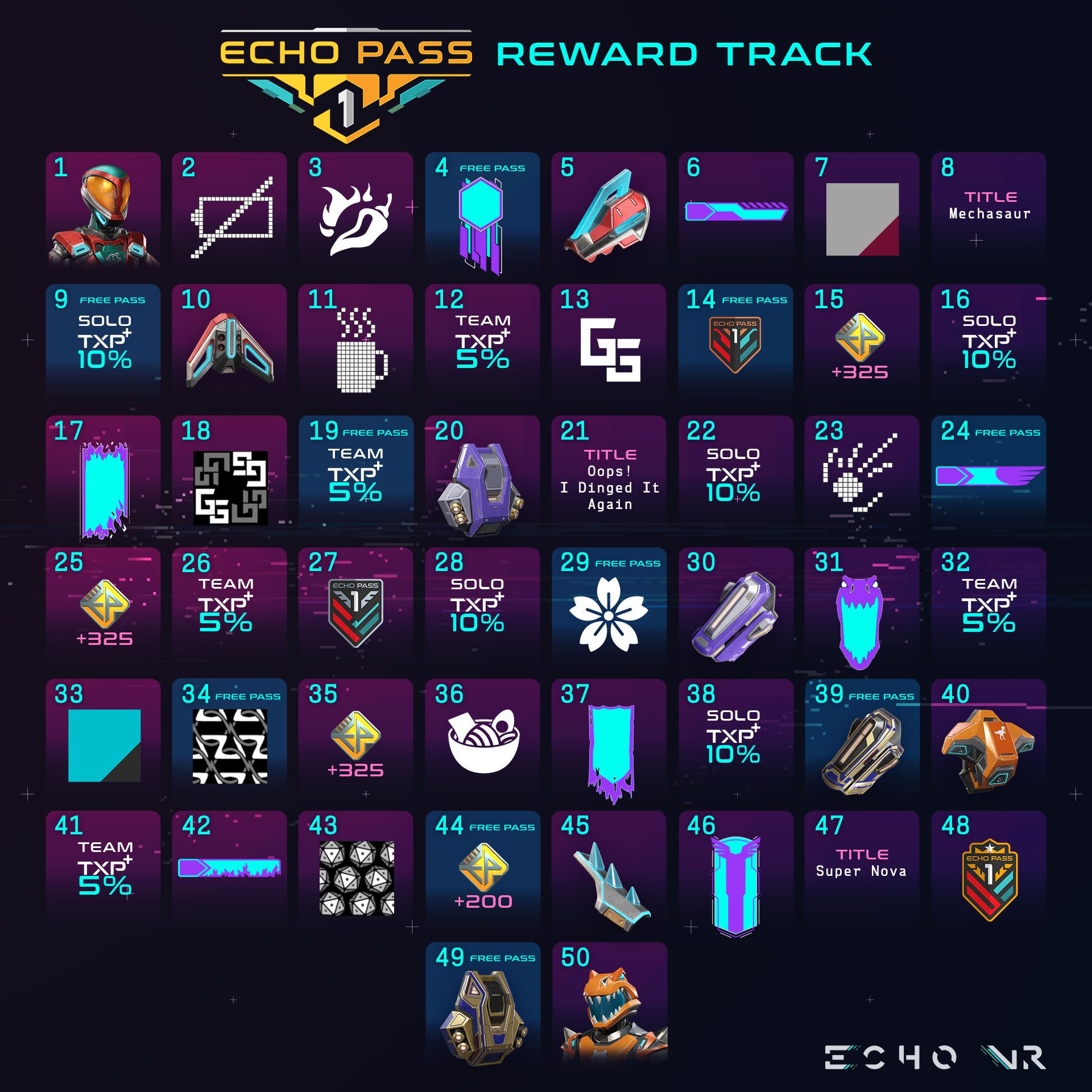
While 10 of the 50 rewards can be unlocked for free, the other 40 can only be unlocked if players buy the premium version of the Echo Pass for $10. Even after purchasing the premium version, players will need to earn XP by playing the game (or paying real money) to unlock the premium rewards.

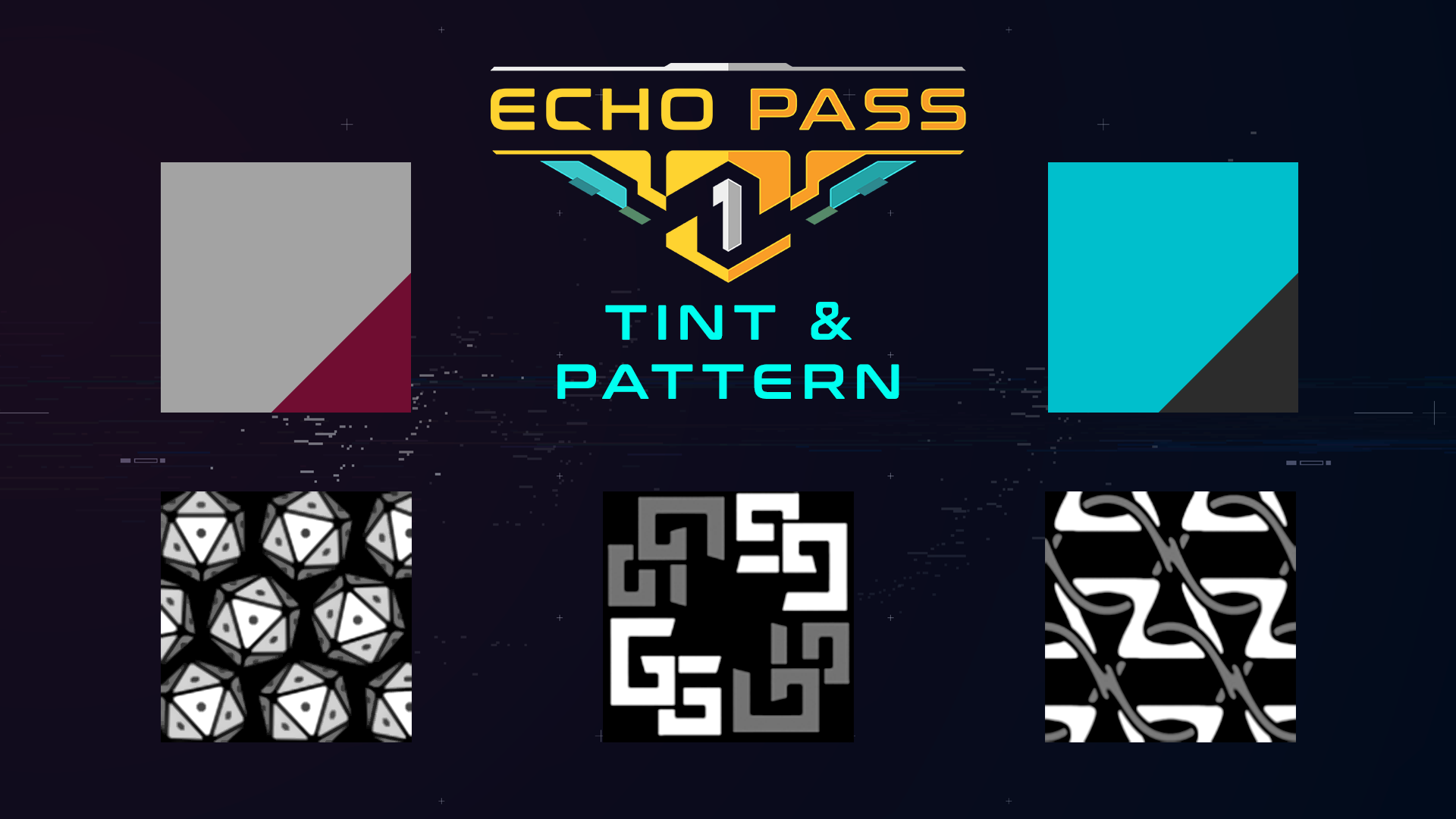
Image courtesy Ready at Dawn

Ready at Dawn says it has overhauled the game’s existing cosmetic customization system to support a wider range of customization options introduced with Echo Pass.

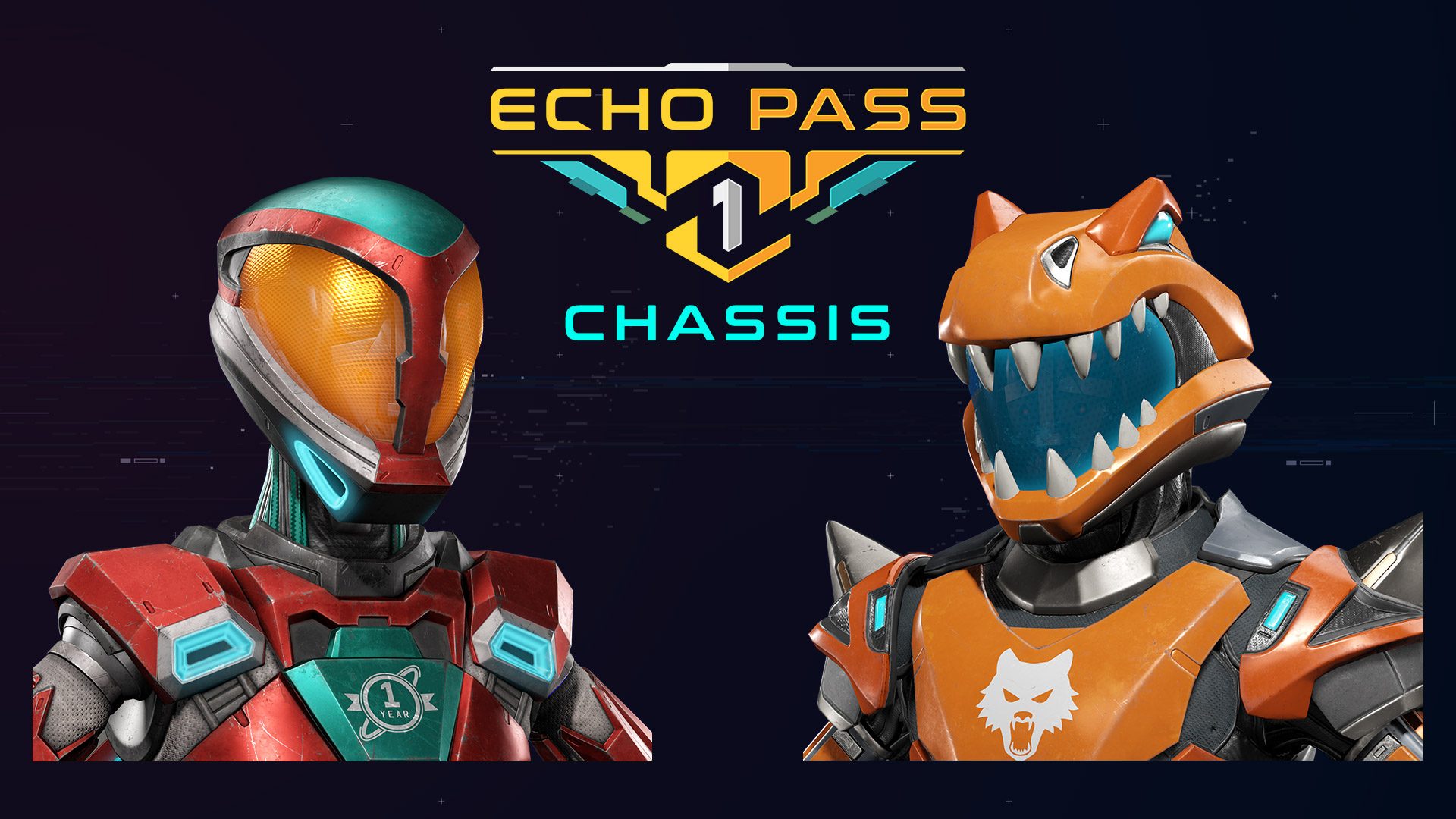
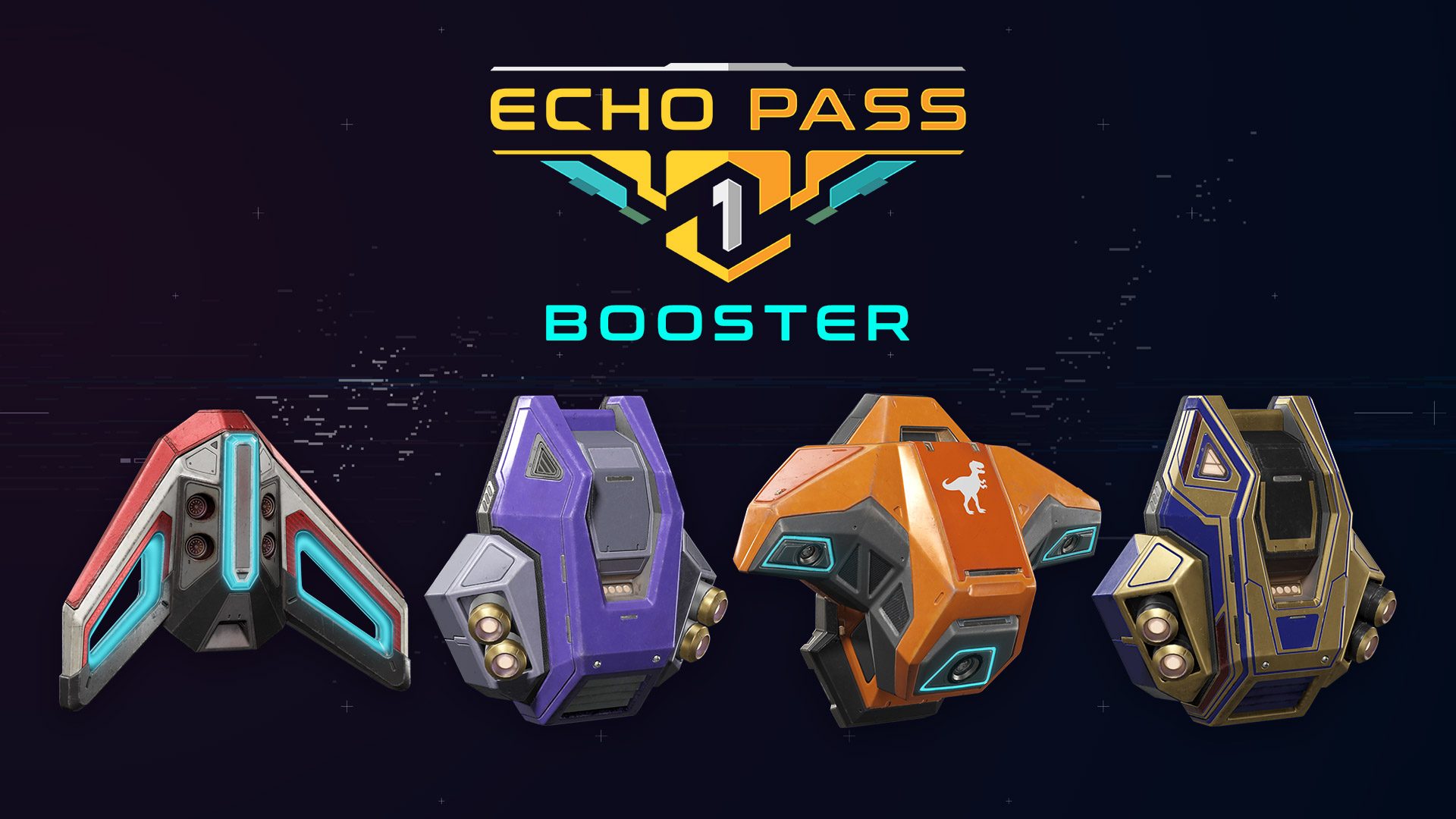
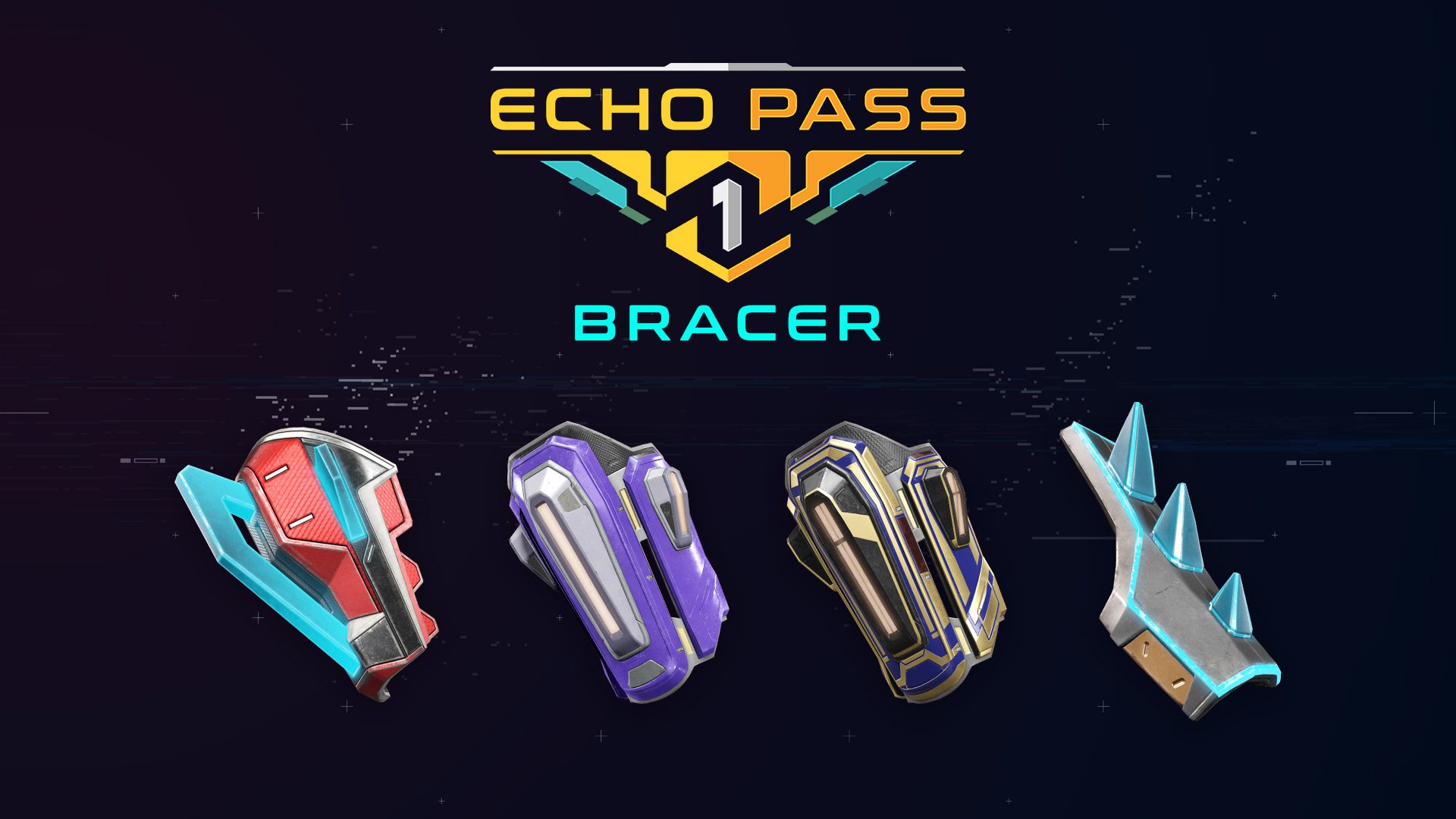
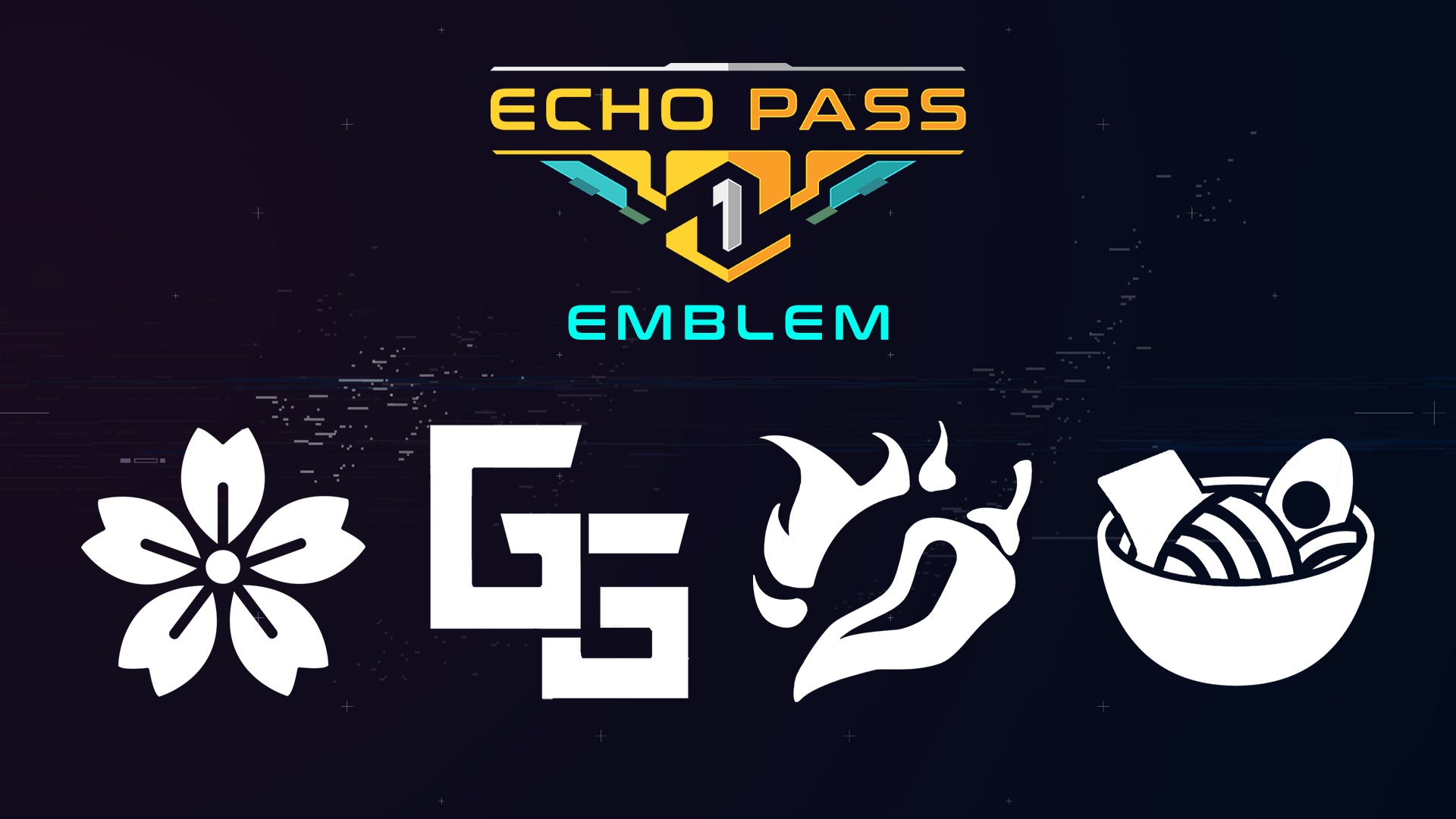
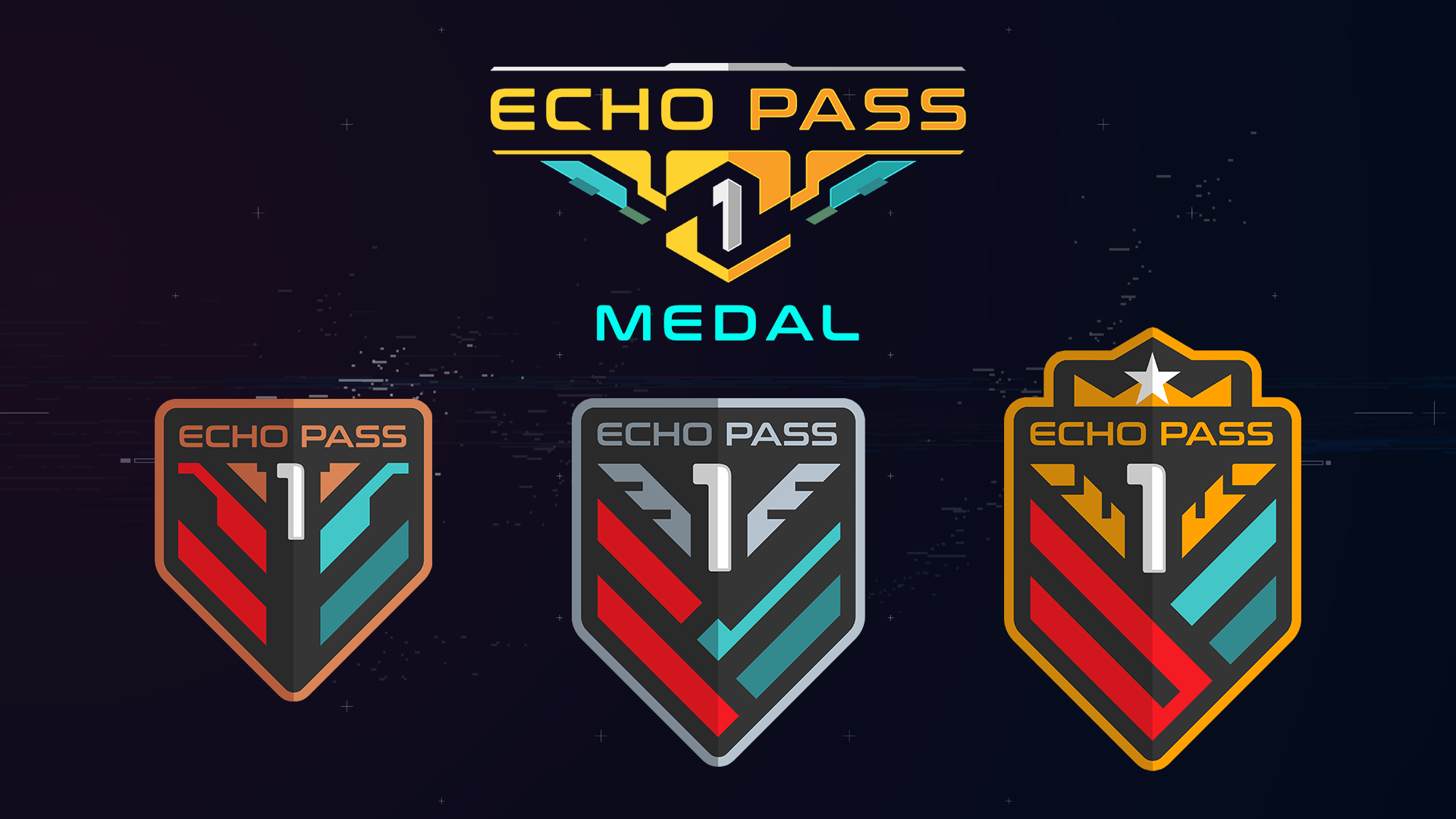
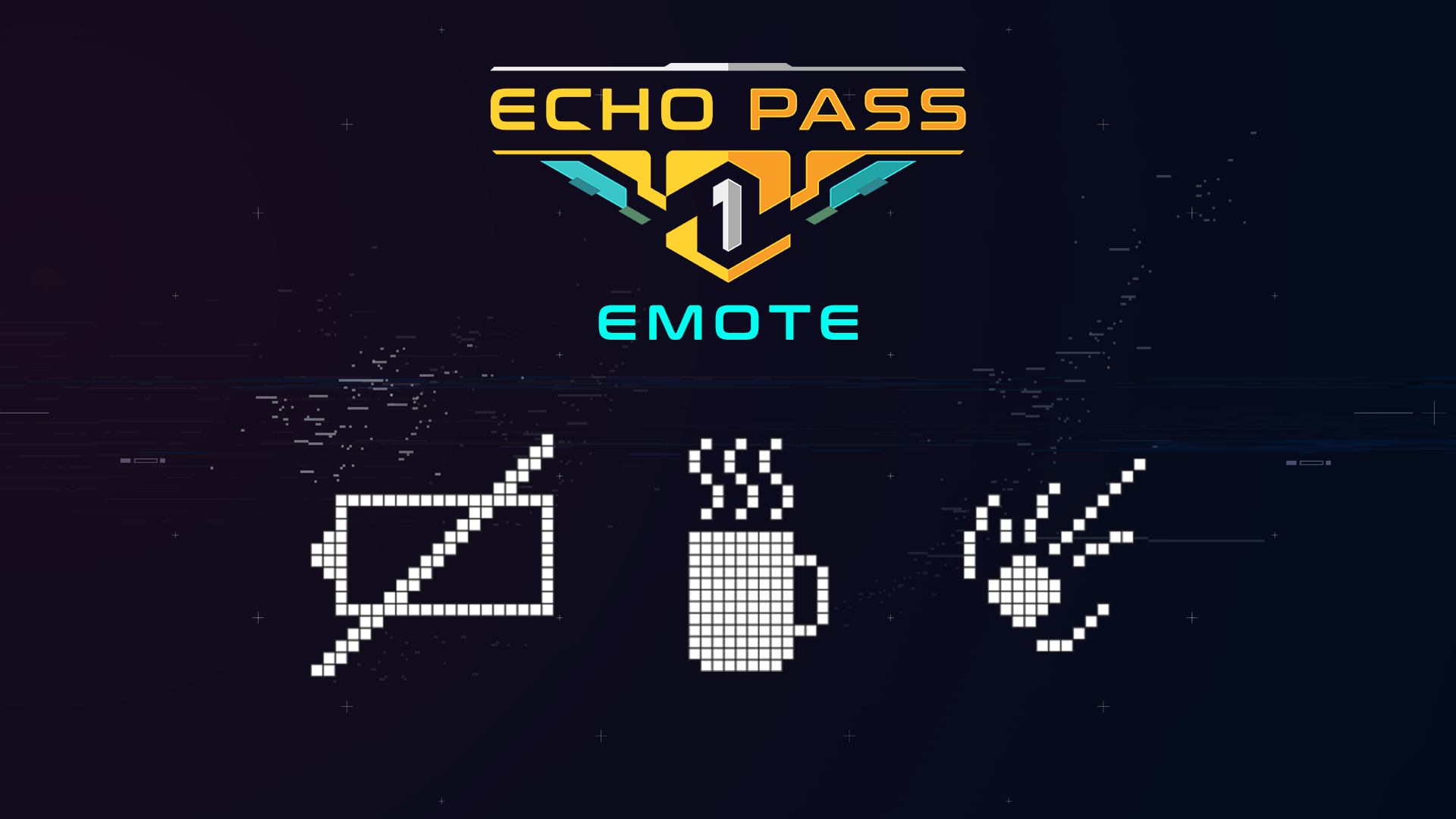
Rewards include Chassis, which change the overall look of the player’s armor; Boosters & Bracers, which change the look of their arms and propulsion boosters; Banners, Tags, Emblems, Titles, & Medals, which allow players to change how their names and identity are presented in the game; and Patterns & Tints, which are colors and texture patterns than can apply to banners, tags, and some armor.

Similar to battle passes in other games, the Season 1 Echo Pass will only be available for a limited time; without earning enough experience, players may not be able to unlock all the rewards, even if they purchased the premium version. Players who don’t have enough time to earn the experience required to unlock all the rewards can pay real money to unlock them instead, for $2 per reward.

For perspective, that means that if a player purchased the premium Echo Pass and wanted to unlock all the rewards but had no time to play the game to earn experience, the player would need to pay $110 total. It isn’t clear how long the season will last, nor how much time spent in the game will be required to unlock all the rewards, so we can’t say for now how likely it would be that players need to shell out real money, even after buying the premium Echo Pass, to unlock all the rewards.

Battle pass systems like Echo Pass are designed to both monetize the game and give players an extra reason to spend time in the game. Depending upon the time needed to grind out the rewards, cosmetic-only battle passes are a less controversial way of supporting a game’s ongoing development compared to other approaches like loot boxes with rare rewards and micro-transactions for items which impact gameplay or game balance.

 – – — – –

Echo VR (formerly called Echo Arena) was originally planned to be sold for $20 but was made indefinitely free thanks to a partnership with Oculus.  The Echo Pass is Ready at Dawn’s first attempt at monetizing Echo VR, which has seen ongoing support and development, despite being free for years, including seasonal events and a port to Quest in mid-2020.

Later in 2020, Facebook announced that it bought Ready at Dawn, it’s third VR game studio acquisition. The studio is also actively developing Lone Echo II—the sequel to Echo VR’s single-player sibling, Lone Echo—though the project has seen significant delays.

The post ‘Echo VR’ Introduces Battle Pass to Monetize Game with Premium Cosmetics appeared first on Road to VR.


Ream more: https://www.roadtovr.com/echo-vr-battle-pass-echo-pass-cosmetic-customization/

Valve Reveals Partnership with OpenBCI to Make VR Gaming More Immersive

In a candid interview with New Zealand’s 1 News, Valve co-founder Gabe Newell sat down to talk all about his future vision for brain-computer interfaces (BCI), and how the technology is set to change everything about how we live (and play) today. From the outside, it seems like Valve is taking baby steps, however Newell says research is going much faster than anticipated.

Newell hasn’t been secretive about his thoughts on BCI, and how it could be an “extinction-level event for every entertainment form.” His message to software developers: start thinking about how to use BCI now, because it’s going to be important to all aspects of the entertainment industry fairly soon.

How soon? Newell says in a talk with News 1 that by 2022, studios should have them in their test labs “simply because there’s too much useful data.”

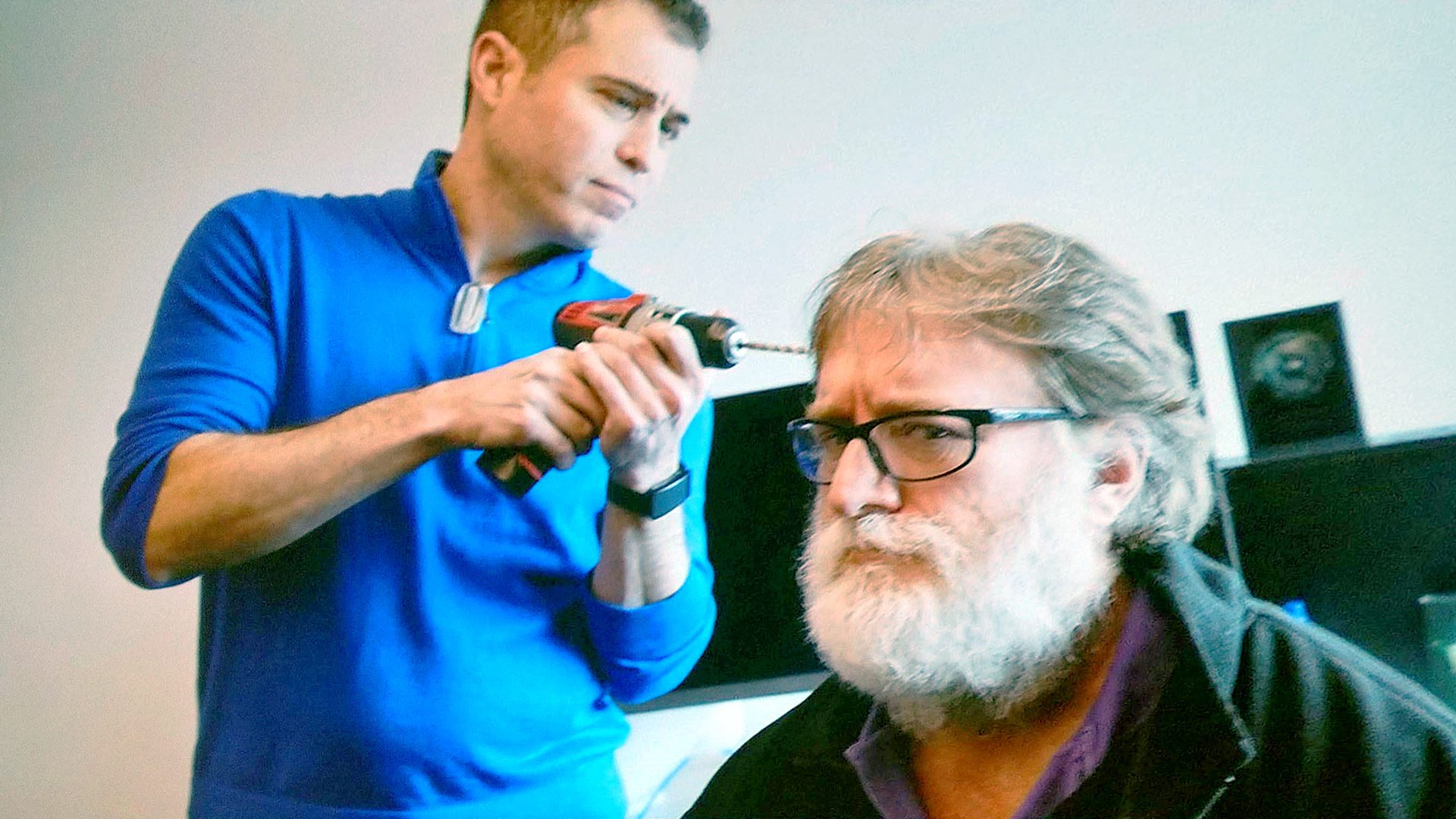
Gabe Newell (right), psychologist Mike Ambinder (left) | Image courtesy Valve

Newell speaks about BCI through a patently consumer-tinted lens—understandable coming from the a prominent mind behind Steam, the largest digital distribution platform for PC gaming, and not to mention an ardent pioneer of consumer VR as we know it today.

To Newell, BCI will allow developers to one day create experiences that completely bypass the traditional “meat-peripherals” of old in function—eyes, ears, arms and legs—giving users access to richer experiences than today’s reality is capable of providing.

“You’re used to experiencing the world through eyes, but eyes were created by this low-cost bidder that didn’t care about failure rates and RMAs, and if it got broken there was no way to repair anything effectively, which totally makes sense from an evolutionary perspective, but is not at all reflective of consumer preferences. So the visual experience, the visual fidelity we’ll be able to create — the real world will stop being the metric that we apply to the best possible visual fidelity.”

On the road to that more immersive, highly-adaptive future, Newell revealed Valve is taking some important first steps, namely its newly revealed partnership with OpenBCI, the neurotech company behind a fleet of open-source, non-invasive BCI devices.

Newell says the partnership is working to provide a way so “everybody can have high-resolution [brain signal] read technologies built into headsets, in a bunch of different modalities.”

Back in November, OpenBCI announced it was making a BCI specifically for VR/AR headsets, called Galea, which sounded very similar to how Valve’s Principal Experimental Psychologist Dr. Mike Ambinder described in his GDC 2019 vision for VR headsets fitted with electroencephalogram (EEG) devices.

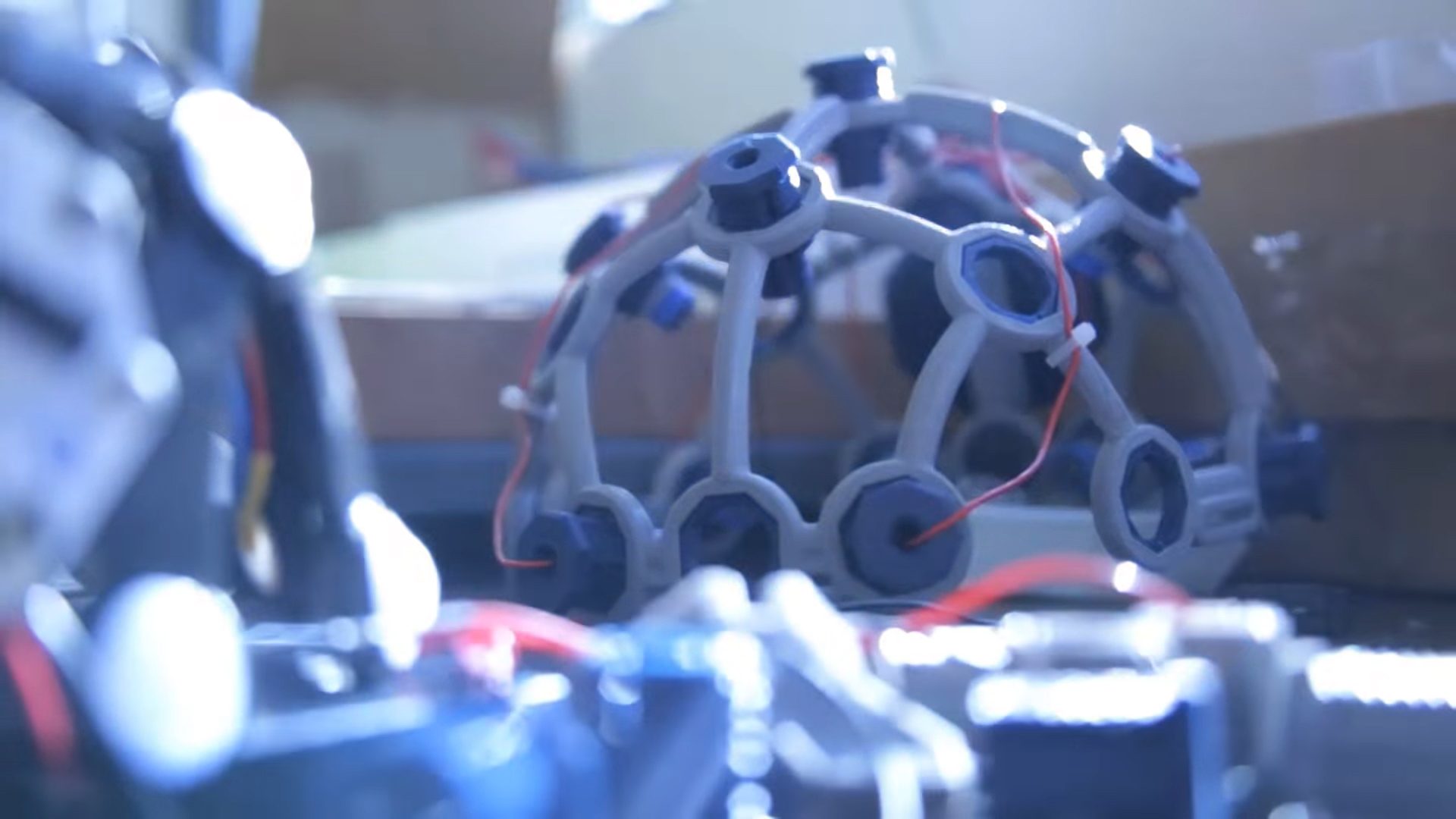
OpenBCI hardware | Image courtesy OpenBCI

Although Newell doesn’t go into detail about the partnership, he says that BCIs are set to play a fundamental role in game design in the very near future.

“If you’re a software developer in 2022 who doesn’t have one of these in your test lab, you’re making a silly mistake,” Newell tells 1 News. “Software developers for interactive experiences — you’ll be absolutely using one of these modified VR head straps to be doing that routinely — simply because there’s too much useful data.”

There’s a veritable laundry list of things BCI could do in the future by giving software developers access to the brain, and letting them ‘edit’ the human experience. Newell has already talked about this at length; outside of the hypotheticals, Newell says near-term research in the field is so fast-paced, that he’s hesitant to commercialize anything for the fear of slowing down.

“The rate at which we’re learning stuff is so fast that you don’t want to prematurely say, ‘OK, let’s just lock everything down and build a product and go through all the approval processes, when six months from now, we’ll have something that would have enabled a bunch of other features.”

It’s not certain whether Galea is the subject of the partnership, however its purported capabilities seem to line up fairly well with what Newell says is coming down the road. Gelea is reportedly packed with sensors, which not only includes EEG, but also sensors capable of electrooculography (EOG) electromyography (EMG), electrodermal activity (EDA), and photoplethysmography (PPG).

OpenBCI says Galea gives researchers and developers a way to measure “human emotions and facial expressions” which includes happiness, anxiety, depression, attention span, and interest level—many of the data points that could inform game developers on how to create better, more immersive games.

Provided such a high-tech VR headstrap could non-invasively ‘read’ emotional states, it would represent a big step in a new direction for gaming. And it’s one Valve clearly intends on leveraging as it continues to both create (and sell) the most immersive gaming experiences possible.


Interested in watching the whole interview? Catch the video directly on News 1’s website.

The post Valve Reveals Partnership with OpenBCI to Make VR Gaming More Immersive appeared first on Road to VR.


Ream more: https://www.roadtovr.com/valve-openbci-immersive-vr-games/

At $600K, Tundra Tracker Smashes Kickstarter Goal in Less Than 24 Hours

Tundra Tracker, the SteamVR Tracking tracker in development by Tundra Labs, has well exceeded its $250,000 Kickstarter goal in less than 2...