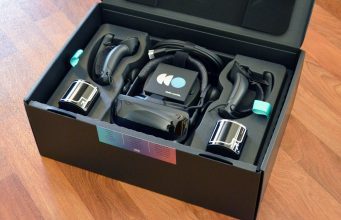
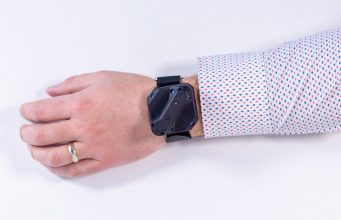
Wolf3D, a Tallinn, Estonia-based 3D scanning and avatar company, has raised $1.3 million in its latest funding round, something it says will help further improve its cross-game avatar platform.
The investment round includes support by Trind Ventures, Presto Ventures, Koha Capital, Spring Capital, Contriber Ventures, and various angel investors. This brings the company’s overall funding to $2.8 million.
Called Ready Player Me, the company’s software is said to allow anyone to create “a personal full-body avatar from a selfie,” which critically aims to be platform and game agnostic. Wolf3D says it can support “many different art styles of avatars for all kinds of game styles and genres.”
The company notes that its latest cash injection will fuel “the next level with full-body personal avatars for games.”
Image courtesy Wolf3D
Wolf3D has been developing 3D scanning tech since its founding in 2014. Six years later, the company is now making its avatar scanning technology available for small and mid-sized developers, as well as providing it to select companies for free.
The company admits that a monolithic ‘metaverse’ is probably not the way it will all shake out in the future, which is why its building cross-platform services. The long-term goal, the company says, is to make its avatar tech “a link between many different virtual experiences, adding them together into one big virtual world that you can explore seamlessly with your avatar and the same set of friends.”
Food for thought: the company’s apparent ambitions depend upon either platform holders or groups of individual developers to implement their system in the first place. While there’s no telling what the VR landscape will look like in the future, if Wolf3D can provide a ready-made solution that’s flexible and good enough, it’s much more likely that an acquisition is in their future rather than taking on the difficult job of stitching together the still largely fragmented digital world as it stands today.
Ever wonder how VR tracking systems really stack up? A research and engineering group called the Virtual Dimension Center (VDC) in Fellbach, Germany conducted a study recently that reveals just how accurate some of the top VR headset’s are when it comes to tracking their respective motion controllers.
When most people compare VR tracking accuracy, you typically get a response about how it feels in relation to a known quantity, like when you play Beat Saber across two different headsets to see how they match up. That works when trying to help someone understand how they might perceive the overall experience, but it does little in the way of objectively proving the point.
According to the test conducted by VDC Fellbach, HTC Vive Cosmos’ inside-out optical system consistently shakes out as the least accurate of the bunch.
Note: This article refers to the stock HTC Vive Cosmos, and not Vive Cosmos Elite, which ships with a SteamVR tracking-compatible faceplate.
How It Was Measured
As first reported by German publication MIXED (German), VDC Fellbach measured the tracking systems on Oculus Rift S, Oculus Quest, Windows Mixed Reality, Valve’s SteamVR (aka Lighthouse) tracking, and HTC Vive Cosmos. Ostensibly as a sort of control, the study also included the industrial-grade tracking cameras from ART, which routinely outperformed even the rock-solid external SteamVR laser-based tracking system.
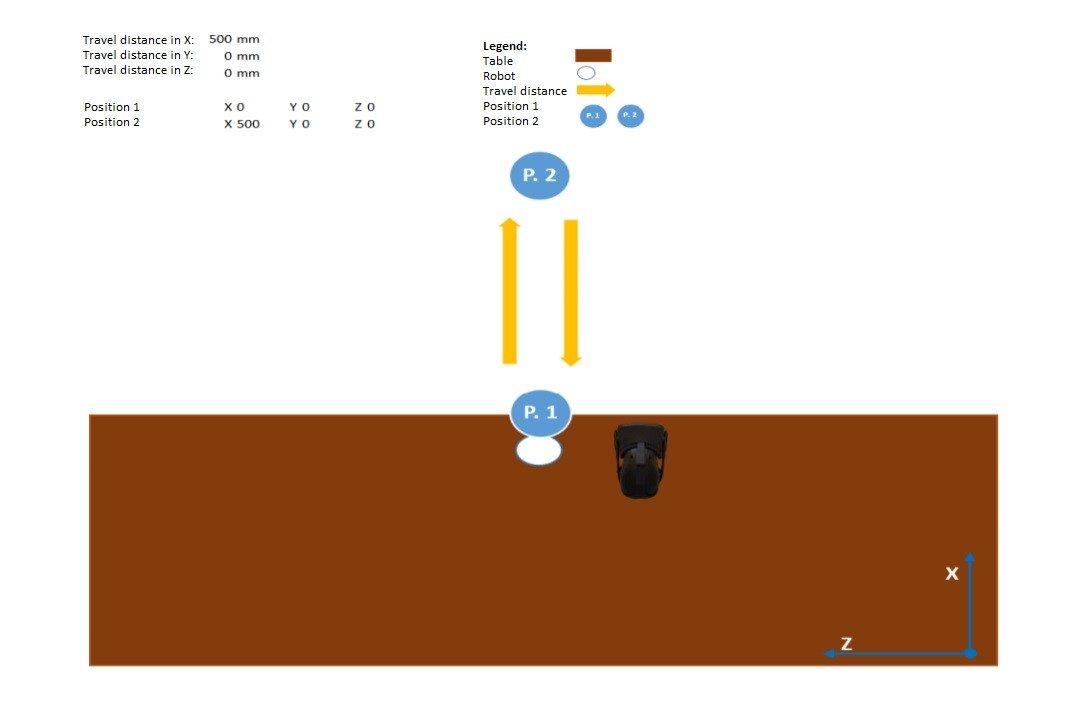
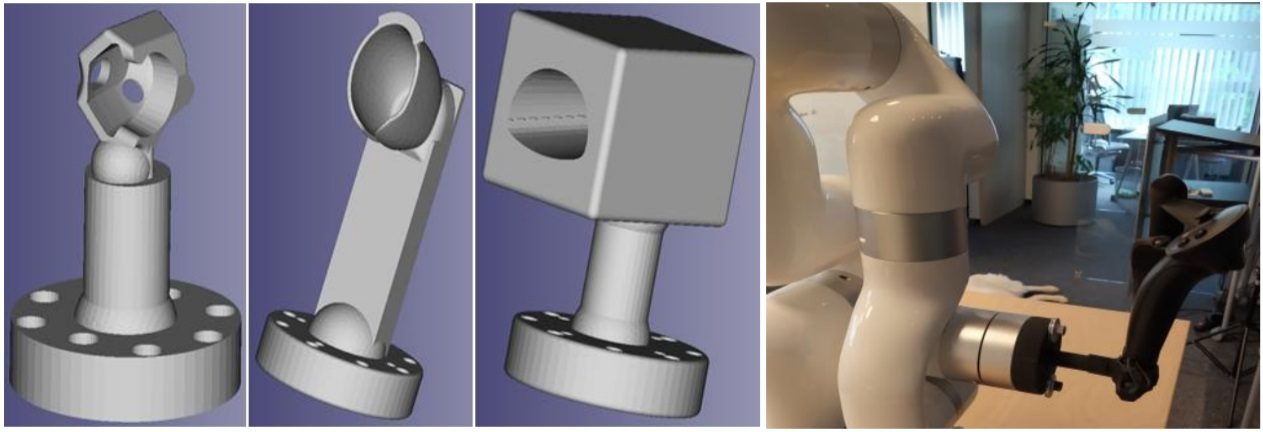
The objective was to quantify each system’s input accuracy, measured in millimeters, which was done by attaching each controller to a robot arm with an adaptor. A 3D-printed head model was used to hold the target headset while the robot arm moved the VR controllers 50 times between two points on the X-axis, set 500 millimeters (~20 inches) apart, or about an arm’s distance away.
Image courtesy VDC Fellbach, translated by Road to VR
The robotic arm, which was connected to the laptop via LAN, was controlled by an in-house software using a modified variant of OpenVR. This allowed the testers to not only reliably know the actual position of the controller, but also the reported position of the controller, capturing data in the X, Y and Z-axis during each headset’s trial.
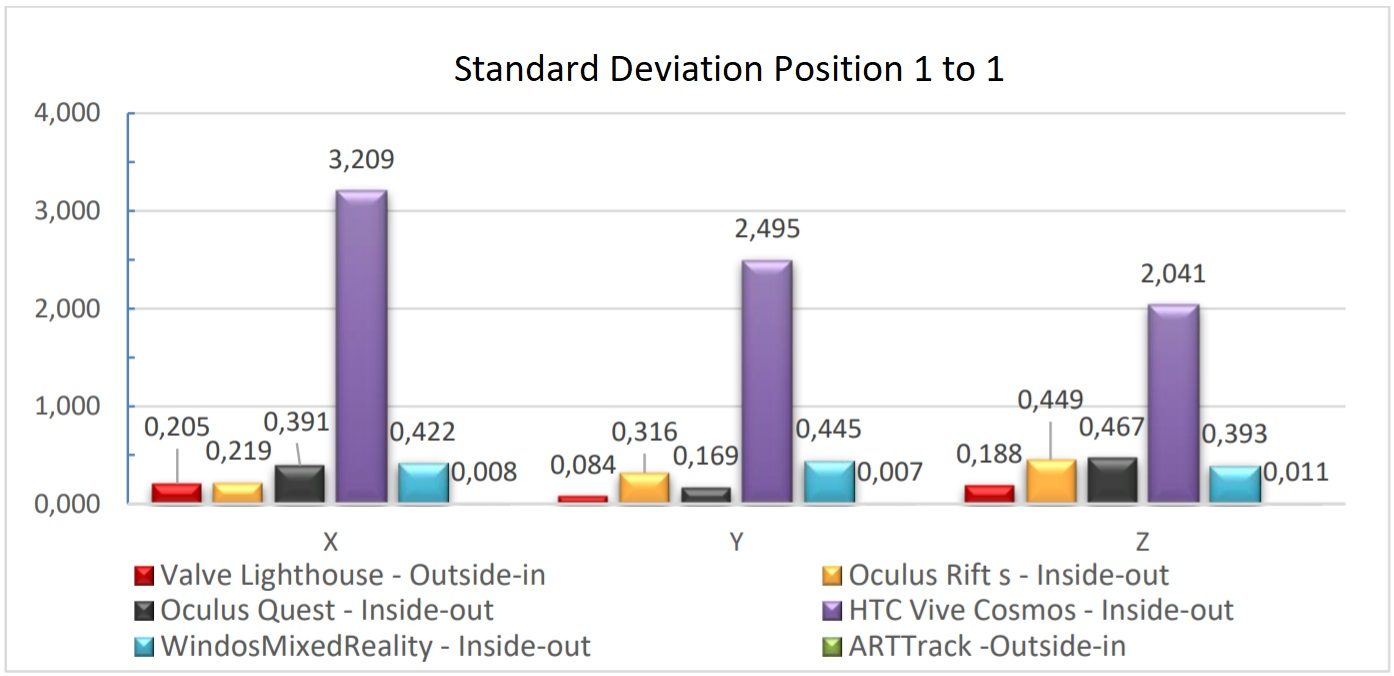
Below you can see the standard deviation of the results for position one, which is closest to the headset. The study also includes the maximum deviation and mean, however they all point to more or less the same relative conclusion.
Image courtesy VDC Fellbach, translated by Road to VR
SteamVR tracking, which uses laser-based ‘outside-in’ beacons, is the most accurate consumer-grade solution of the bunch. Notably, ART’s outside-in optical tracking is so accurate that its bar isn’t even visible on the far right of each chart.
Windows Mixed Reality performs better than we expected in position one, coming in neck-to-neck with Oculus Rift S. HTC Vive Cosmos lags behind by a wide margin with its 2-3 mm deviation. This changes somewhat when the respective controllers move to position 2 however.
Image courtesy VDC Fellbach, translated by Road to VR
Outside-in tracking remains more or less the same regardless of the distance between the headset and the controller, however inside-out tracking tracking takes a notable hit in accuracy as it moves farther away from the headset.
In one instance, Windows Mixed Reality underperforms by nearly 3 mm from dead zero, beating out Vive Cosmos by nearly a millimeter in accuracy.
Robot arm and controller adaptor | Image courtesy VDC Fellbach
The charts above doesn’t tell the whole story though. According to the study, HTC Vive Cosmos performs “worst,” with deviations that are “sometimes above 5 mm,” and that it was even possible to visually detect Vive Cosmos’ deviation while the measurement was being carried out.
Granted, Vive Cosmos has benefitted from multiple software updates since its late 2019 launch, which was so bad at the time that we actually postponed our initial review until HTC addressed our concerns over tracking. According to this study though, it seems that well into late 2020 that Cosmos is still underperforming in the tracking department.
The testers admit their findings may be influenced by “differences in the hardware components used and different software,” however it’s unlikely a research group capable of creating such a testing platform in the first place would simply forget to update their drivers. At least we’d hope not.
– – — – –
If you speak German, or don’t mind flexing your Google Translate skills, you can check out the full paper to see VDC Fellbach’s findings for yourself. A special thanks goes out to our friends at MIXED for pointing us to the news.
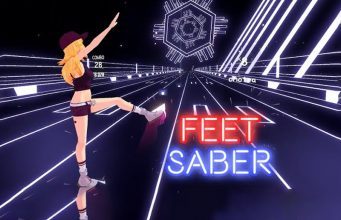
Beat Saber has often been described as being ‘like Dance Dance Revolution but for VR’, and it seems that couldn’t have been more prophetic, because here we are with the FeetSaber mod which basically turns the game into DDR.
Beyond its ‘easy to learn hard to master’ gameplay, Beat Saber’s extensive community of track makers and modders are a major reason why the game is one of the best selling VR titles to date.
A new mod created by a modder named Naluluna literally attaches tiny lightsabers to your feet and lowers the notes to the ground, turning the gameplay into a surprisingly functional dancing game. Using Vive Trackers attached to their feet and hips, the usual controllers, and the LIV and Virtual MotionCapture software, YouTuber omotea captured themselves playing the mod as a full avatar:
FeetSaber is part of a suite of Beat Saber mods by Naluluna called NalulunaModifier, which also contains a handful of other zaney mods including ‘Boxing‘, ‘Badminton‘ and ‘Vacuum Saber‘ (because why not).
If you want to try FeetSaber for yourself you can do so with the the Beat Saber mod manager ‘Mod Assistant‘ and you can find the latest download link to the NalulunaModifier mod (which includes FeetSaber) at the bottom of the creator’s GitHub page. Note that to play FeetSaber you’ll need to either securely attach your controllers to your feet or use additional motion trackers like the Vive Tracker.
Before I post my full review, I wanted to try out VR sim racing first. So I got the Logitech G920 wheels for the YawVR, but unfortunately, the setup didn't go as expected. Here's what happened. ► Check out our VR equipment → https://www.amazon.com/shop/caschary ► Subscribe to see more videos like this one → https://goo.gl/bSJ6L8 I’ve promised to make a full review of the Yaw VR Motion Simulator. But I didn’t want to review it without trying out the two popular things you probably want it for VR racing simulators and VR flying simulators. So I went on to get racing wheels first, I got these Logitech G920 Driving Force wheels for the occasion. With it, I wanted to know what it’s like to play racing games with the Yaw simulator but making these wheels work with the simulator didn’t go without its issues. So in this video, we’ll talk about that, what I did to solve it, and I’ll also share my recommendations. TIMESTAMPS 00:00 Intro 01:09 Yaw VR Basics 02:14 Dirt Rally 2.0 Gameplay & Impressions 05:15 Logitech G920 Wheels Intro 06:04 The Issues 08:23 Conclusion LINKS - More info on the YawVR Motion Simulator (My first impressions) → https://youtu.be/bczyRyCufYU - Logitech G920 on Amazon (US): https://amzn.to/3guUmlJ - YawVR official website → https://www.yawvr.com/ SUPPORT THE CONTENT ► Become our Patron (includes exclusive rewards) → http://bit.ly/PatreonCasandChary ► Become a Sponsor on YouTube (includes exclusive rewards) → http://bit.ly/JoinCasandChary ► Check out our VR Merch → http://bit.ly/casandchary-merch USE OUR LINKS TO SUPPORT US ► VRcover → http://bit.ly/CCVRCover ► VR Prescription Lens Adapters (5% discount code: "CAS&CHARY") → http://bit.ly/CCWidmoVR ► Oculus Quest Comfort Counterweight (5% discount code: "CAS&CHARY") → https://bit.ly/studioform500 ► Play PC VR games with your Quest (10% discount code: "JWGTCASCHARY") → http://bit.ly/CCRiftcat ► More on our website → https://casandchary.com/discount-codes-affiliate-links/ OUR GEAR Our VR equipment → https://www.amazon.com/shop/caschary Full PC Specs → https://casandchary.com/vr-equipment/ GET LATEST UPDATES Twitter → https://twitter.com/CasandChary Facebook → https://www.facebook.com/casandchary/ Instagram → https://www.instagram.com/casandchary/ Join our Discord → https://discord.gg/YH52W2k A special thanks to these Patreon Champs for their support: - BaxornVR - Wintceas - Studioform VR - Andy - Albert - Ben P. - Steve Dunlap - Thomas M. Rice - Andy Fidel - VR Balance - Nathan Schmidt MUSIC Music we use is from Epidemic Sounds → http://bit.ly/CCEpidemicSound DISCLAIMER Links in this description may contain affiliate links. We may earn from qualifying purchases from these links (without costing you more). VR on! - Cas and Chary VR #yawvr #vrsimracing #casandchary
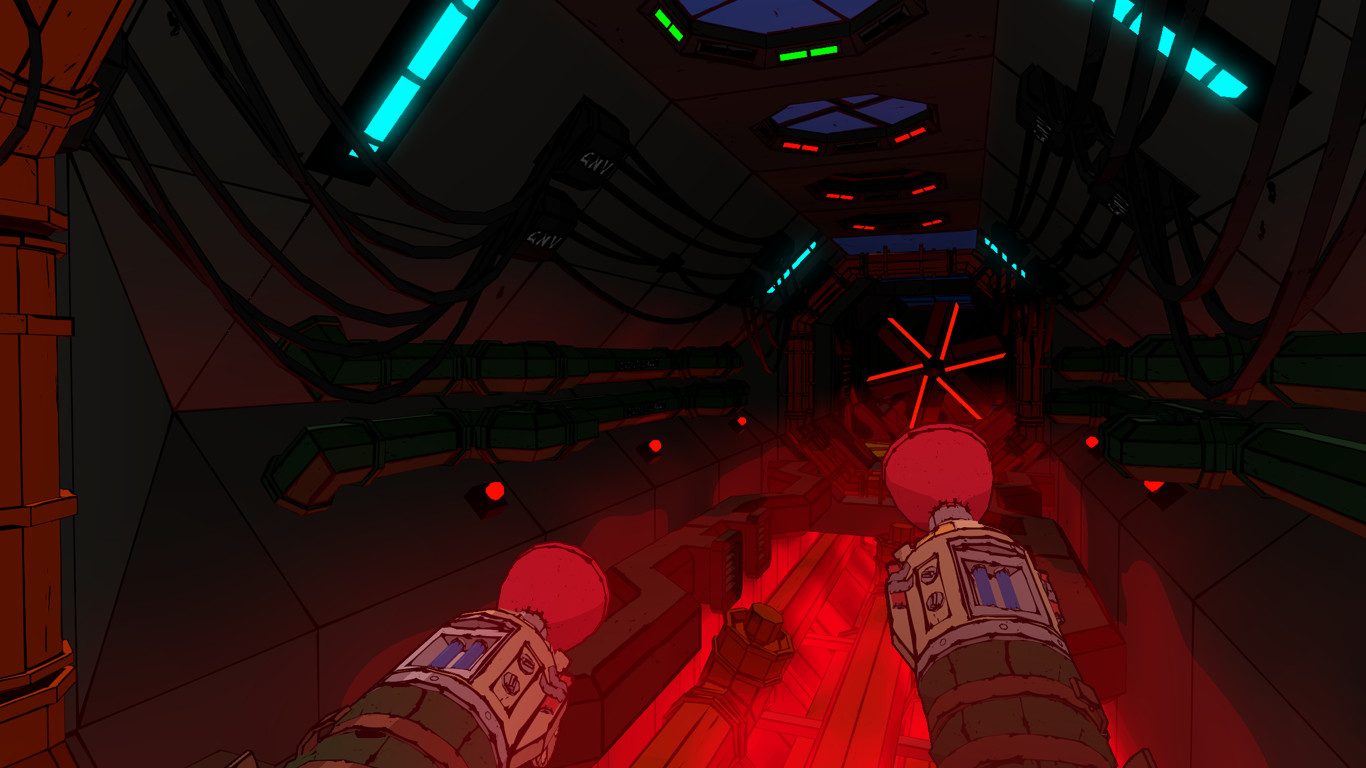
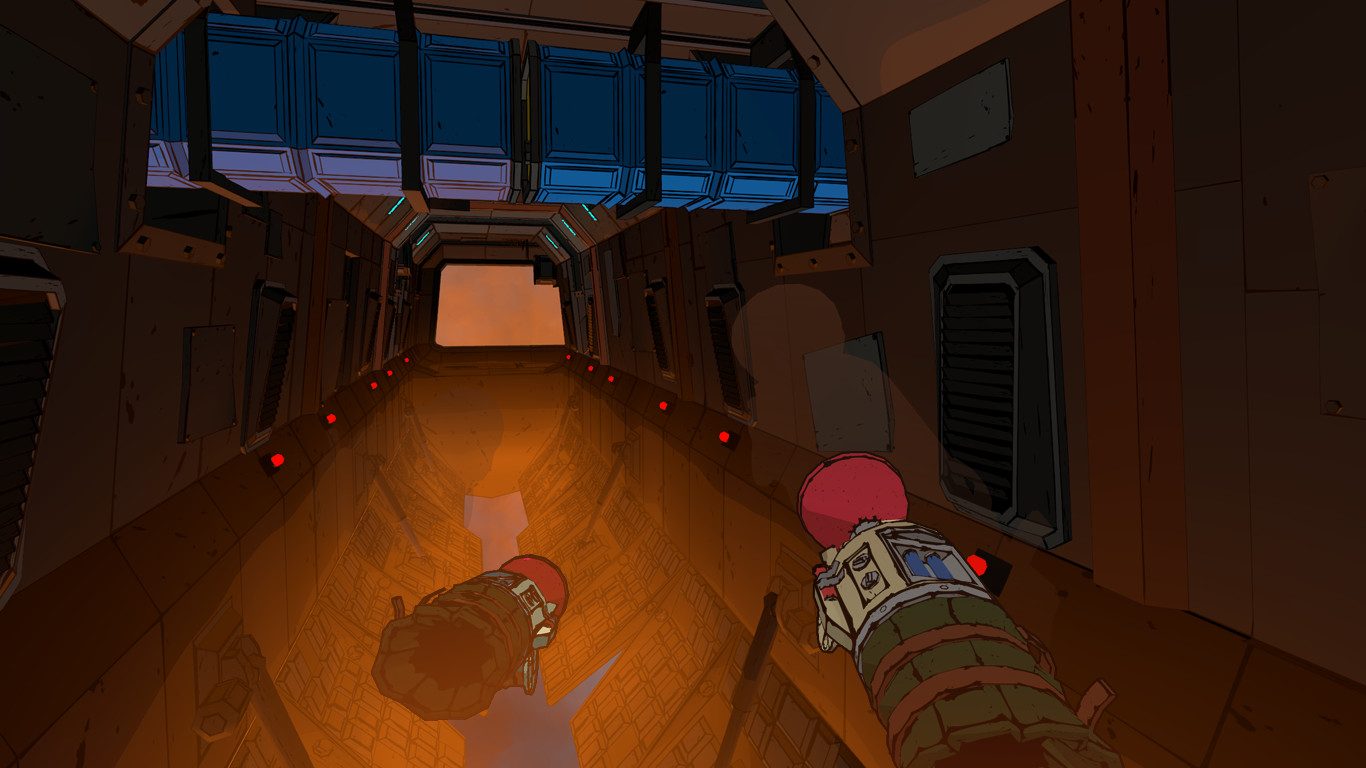
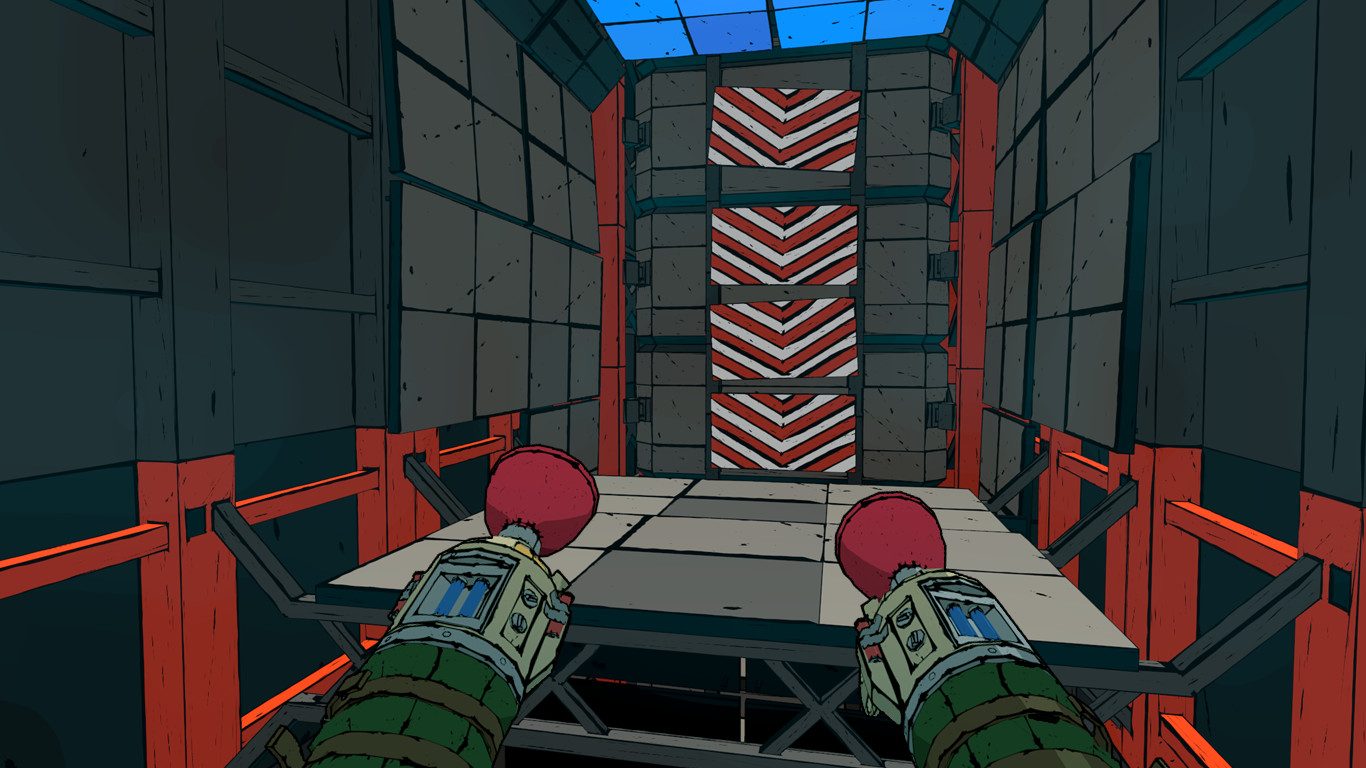
Take one part Soviet retrofuture, add in the swinging locomotion scheme from Marvel’s Spider-Man, and dust it liberally with the cel-shaded visual style from Borderlands and you might just have Yupitergrad, an upcoming VR game that promises to let you swing through adventure, puzzles, and plenty of opportunity for self-deprecating slavic humor.
Yupitergrad puts you in the boots of a Soviet cosmonaut on their way to Jupiter base to test a new device, launch an experiment to produce fuel, and promptly return home. Of course, it wouldn’t be an adventure if everything went smoothly.
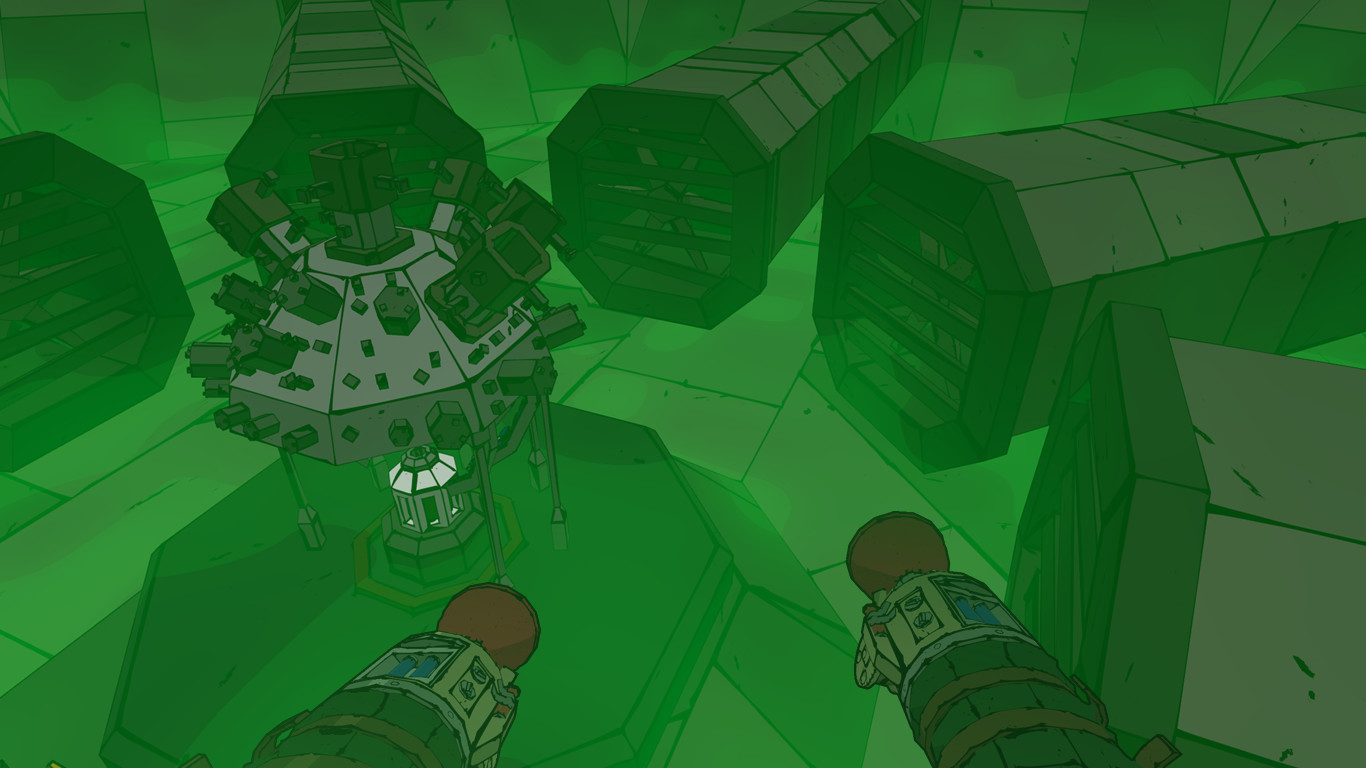
Trapped in the hulking Jupiter base, you swing from the ceilings, navigating your way through over 50 levels using grappling hooks and boosters.
1 of 5
Image courtesy Game Dust
Image courtesy Game Dust
Image courtesy Game Dust
Image courtesy Game Dust
Image courtesy Game Dust
There’s still only a few scraps of information on the game’s Steam page, but there seems to be plenty of dangerous obstacles to get around, including spinning sharp thingys of various sizes and what appears to be poisonous gas. Oh, and if you’re wondering whether all of that might turn your stomach, the game is said to include comfort options too.
Yupitergrad is slated to arrive on Steam and Viveport sometime in Q3 2020, and is being developed by Poland-based indie studio Gamedust, the same minds behind Spuds Unearthed (2019).
A version for Oculus Quest and PSVR is said to follow after its initial release on PC.
While there’s a handful of VR-compatible flight simulator games out there, few of them are made from the ground up for VR—and none quite like VTOL VR. Originally launched in Early Access in 2017, the 1.0 version of the game has finally been cleared for takeoff.
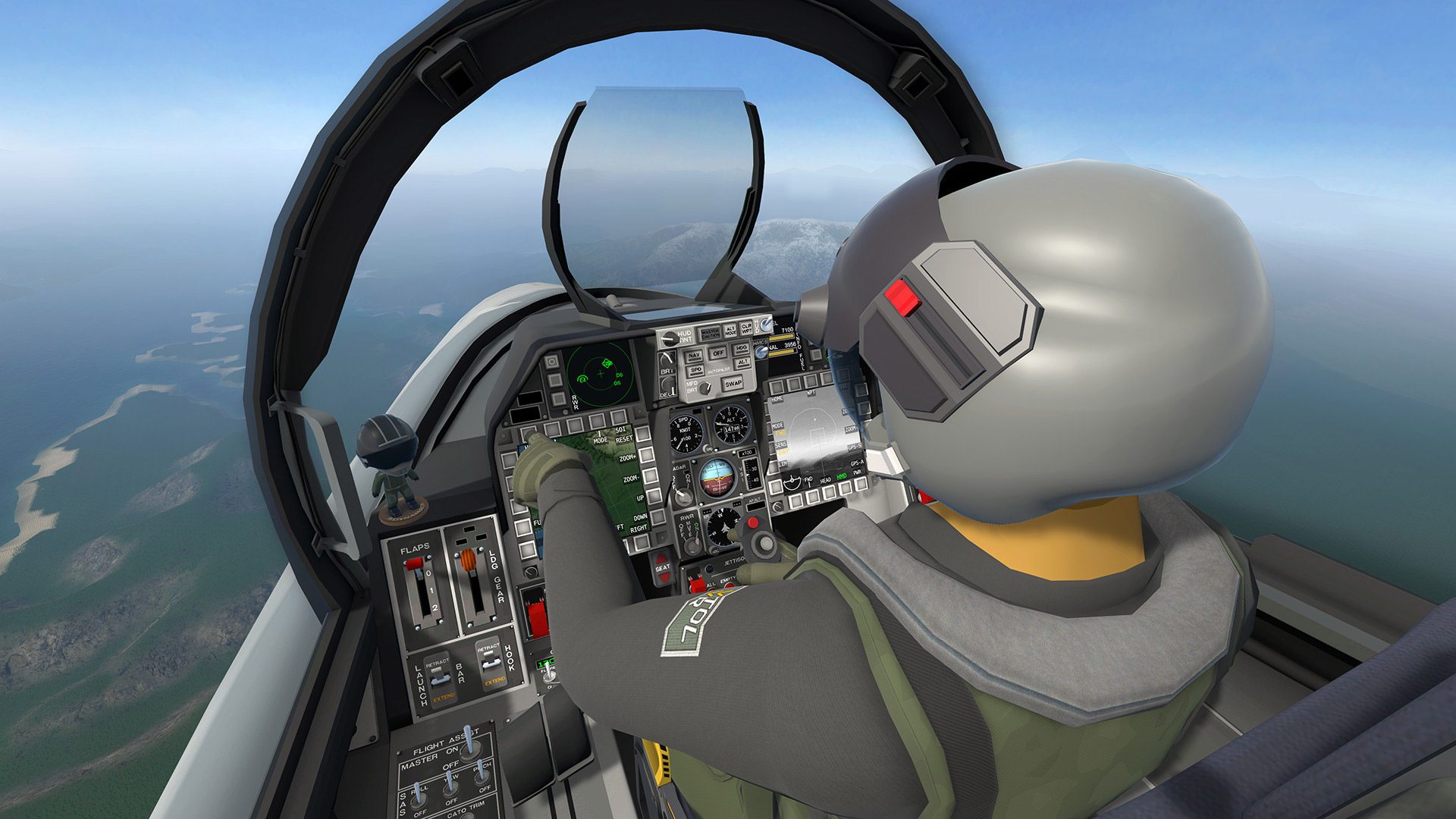
VTOL VR is a made-for-VR combat flight simulator. What sets is apart from other similar titles is that the cockpits of the planes are custom built for VR. Not only is everything in the cockpit—including your flight yolk—controlled with motion controllers, but the whole cockpit dashboard and interface has been designed with VR visibility and usability in mind.
Version 1.0 of VTOL VR
Today, almost exactly three years after its Early Access launch, VTOL VR has released its 1.0 version, bringing with it a 20% discount to boot. The game has seen consistently excellent users reviews over the years and currently holds a 96% positive rating.
VTOL VR’s sole developer, Paolo Encarnacion, said that “with the support of the wonderful community that has grown around it, the game has totally exceeded what I had initially envisioned,” in his announcement of the 1.0 launch. “I am so grateful to all of you who’ve joined me on this journey, with an open mind and enthusiasm to try a totally new way of playing a flight sim. I hope you are as excited as I am to see how far this game has come, and where it will go in the future.”
The game has seen numerous updates in its three years of Early Access development, all of which is catalogued in detail here.
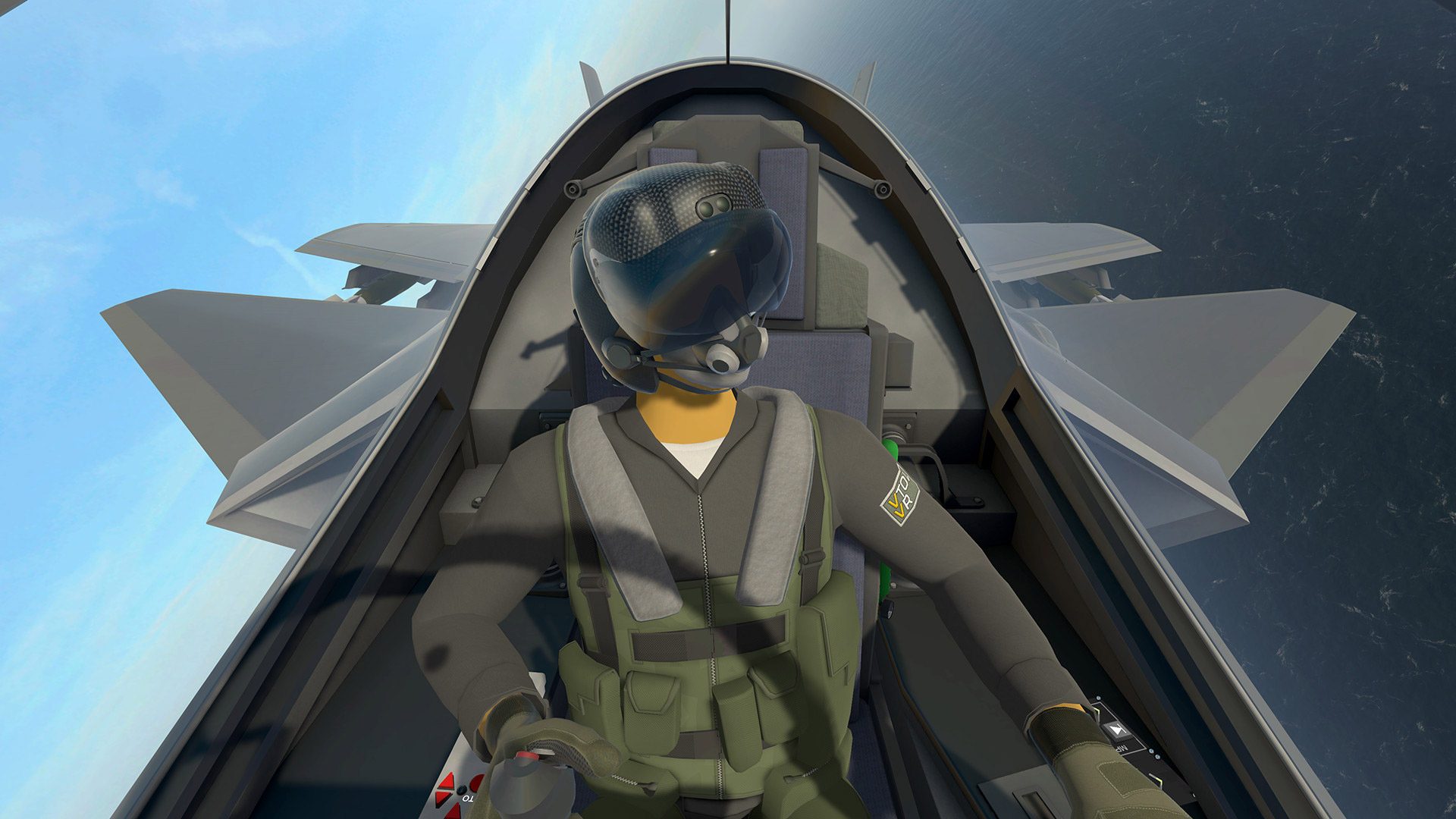
True to its name, VTOL VR focuses primarily on Vertical Take-Off and Landing aircraft, and the game now has three to choose from: the A/V–42C attack/transport, F/A–26B fighter/attack jet, and the F–45A stealth multi-role STOVL jet.
Image courtesy Boundless Dynamics
Among its many features, the game touts its fully VR-interactive cockpit, customizable equipment, simulated aircraft systems, realistic flying physics, aerial refueling, carrier take-off & landing, and air-to-air & air-to-ground combat between planes, tanks, artillery, and ships.
VTOL VR also has a mission and map editor which allows users to create their own missions and upload them to the game’s Steam Workshop for others to play.
Multiplayer Teased for VTOL VR
Image courtesy Boundless Dynamics
Any awesome game is going to see people asking for multiplayer support, and VTOL VR is no exception.
I’m itching to move forward with a major feature that many players have been asking for over and over, but before that, I will be focusing on the final touches with the single player experience by polishing vehicle related features and game content. The game has expanded far beyond my initial plans, and I’m aiming wrap it up into a well rounded package we can all be proud to call “1.0” before the end of the year. Don’t worry — I want to see multiplayer in the game as much as you do. The intention is to limit the ever expanding scope of features for the duration of early-access so we can switch gears to work on bringing multiplayer to the game sooner.
Clearly the 1.0 version took a while longer than expected, but he teased in the 1.0 launch announcement that multiplayer is still high on the priority list.
I will continue to fix bugs as they arise, as well as work on expanding the tutorials to help limit the need to search for external help to learn how to use various systems and tactics. I’d also like to add more missions, editor assets, weapons, and other content in small periodic updates. At the same time, I will switch gears slightly to focus on developing the more community-oriented features.
That’s Encarnacion’s own sly emphasis on “community-oriented features” which appears to be referencing the oft-requested multiplayer function. There’s no telling when it might come, but the developer says he’s far from done with the game.
“I’ve been working on a few things on the side that have been kept under wraps, so I hope you continue to follow along and see what’s coming! Version 1.0 is just the beginning!”
Like other headsets, the Valve Index has been in high demand but limited supply due to the Coronavirus pandemic. While we’ve seen stock of Oculus Quest and Rift starting to return over the two months or so, Index has been backordered globally. Though it’s still backordered, we’re seeing the first strong signal that Index stock starting to flow again.
Updated – August 5th, 2020
We checked stock availability for all Index packages across all 31 regions where sold. Our last check in July was the first time in months that any of the Index packages had a backorder less than eight weeks. At the time, most regions showed the ‘Headset’ package at 3–5 weeks, while all other packages were either 8+ weeks or outright unavailable.
Now in August we’re seeing more packages with a backorder less than 8+ weeks. Though the ‘Headset’ package has returned to 8+ weeks, the ‘Headset + Controller’ package now stands at 5–7 weeks and the ‘Controllers’ package at 3–5 weeks in almost all regions, with the US, Canada, Italy, and Japan being outliers.
“We are continuing to make every effort possible to keep up with the ongoing demand and deliver units in a timely fashion, while navigating the challenges of shipping during the pandemic. We appreciate everyone’s patience, and we’ll let you know when we have more specifics to share,” a Valve spokesperson told Road to VR earlier this year.
Index had been backordered by eight weeks or more in all regions since a small supply of new stock was gobbled up just before Half-Life: Alyx launched in late March. Today is the first time since then that we’ve seen shipping estimates of less than 8 weeks on more than one of the Index packages.
Valve is then sending out notifications by email when stock is available, giving customers one week to pull the trigger. Even so, when offered the option to buy, no specific estimate for delivery is provided leaving, customers wondering how long they’ll be waiting.
Like other headsets, the Chinese-manufactured Index has seen a double-whammy due to the Coronavirus pandemic: supply decreasing due to manufacturing disruptions and demand increasing due to shelter-in-place orders in many parts of the globe.
Oculus had been in the same boat; in the last month however we’ve seen Oculus steadily beating back its Quest and Rift S backorders, showing that manufacturing of the headset has picked up significant steam. When the same might happen for Index isn’t clear, but we’ve got our eye on the situation.