Saturday, August 1, 2020
One Of The Best Military FPS Now On Oculus Quest! - Onward Gameplay First Impressions
Onward from Downpour Interactive is finally released on Oculus Quest. Let's check it out together! Full disclosure: This stream is sponsored by Oculus #OculusPartner ► Click here for more info about the Oculus Quest → https://ocul.us/CasandChary2020 Onward is a tactical, multiplayer military shooter with crossplay for PC VR. You can engage in 5v5 skill-based warfare, select from over 30 unique and realistic guns, and in multiple environments and scenarios. It's not an easy one, as you get one life, no HUD, no crosshairs, players will need their wits and combat skills to survive. We're going to check out what Onward is like on Quest. What the graphics are like, how it plays, and more in this live stream! Come hang out :-) Today's topic(s): Onward on Oculus Quest LINKS ► More info about the Oculus Quest → https://ocul.us/CasandChary2020 ► Onward on the Oculus Quest store → https://www.oculus.com/experiences/quest/2677344882310094/ SCHEDULE - Every Friday at: 🕛 12 PM PT 🕘 9 PM CET 🕗 8 PM UK Time SUPPORT US Subscribing and watching our videos (for free) is by far the biggest support you can give us. However, if you want to do more - you can also donate. All donations go to improving the channel. BUY US A COFFEE & BOOST THE CHANNEL ► One-time donation → http://bit.ly/DonateCasandChary BECOME A CHAMPION (LONG-TIME SUPPORTER) ► Become our Patron (includes exclusive rewards) → http://bit.ly/PatreonCasandChary ► Become a Sponsor on YouTube (includes exclusive rewards) → http://bit.ly/JoinCasandChary USE OUR LINKS TO SUPPORT US ► VRcover → http://bit.ly/CCVRCover ► VR Prescription Lens Adapters (5% discount code: "CAS&CHARY") → http://bit.ly/CCWidmoVR ► Play PC VR games with your Quest (10% discount code: "JWGTCASCHARY") → http://bit.ly/CCRiftcat ► More on our website → https://casandchary.com/discount-code... OUR GEAR Our VR equipment → https://www.amazon.com/shop/caschary Full PC Specs → https://casandchary.com/vr-equipment/ GET LATEST UPDATES Twitter → https://twitter.com/CasandChary Facebook → https://www.facebook.com/casandchary/ Instagram → https://www.instagram.com/casandchary/ Join our Discord → https://discord.gg/YH52W2k A special thanks to these Patreon Champs for their support: - BaxornVR - Wintceas - Studioform VR - Andy - Albert - Ben P. - Steve Dunlap - Thomas M. Rice - Andy Fidel - VR Balance - Nathan Schmidt MUSIC Music we use is from Epidemic Sounds → http://share.epidemicsound.com/zqM3g DISCLAIMER This live stream is sponsored by Oculus. Links in this description may contain affiliate links. We may earn from qualifying purchases from these links (without costing you more). VR on! - Cas and Chary VR #oculuspartner #onward #casandchary

Friday, July 31, 2020
The 20 Best Rated & Most Rated Rift Games & Apps – July 2020
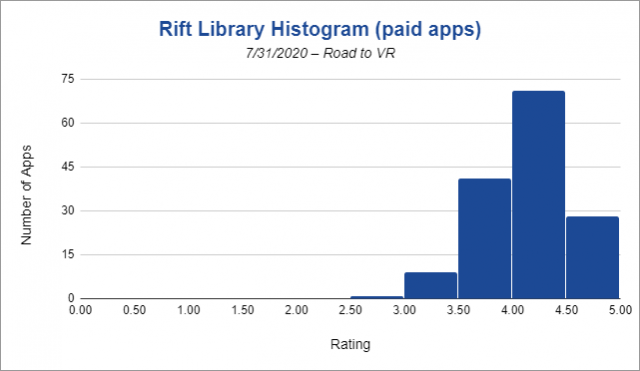
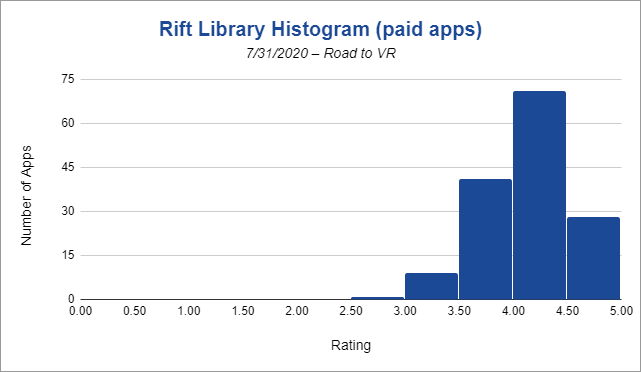
While Oculus doesn’t offer much publicly in the way of understanding how well individual apps are performing across its VR storefronts, it’s possible to glean some insight by looking at apps relative to each other. Here’s a snapshot of the top 20 Oculus Rift games and apps as of July 2020.
Some quick qualifications before we get to the data dump:
- Paid and free apps are separated
- Early Access apps are not represented
- Only apps with more than 100 reviews are represented
- Some apps may have benefited from hardware bundling (like Robo Recall and Lucky’s Tale)
- Rounded ratings may appear to show ‘ties’ in ratings for some applications, but the ranked order remains correct
Best Rated Paid Oculus Rift Apps
The rating of each application is an aggregate of user reviews and a useful way to understand the general reception of each title by customers.
| Name | Rating (# of ratings) | Price |
| The Room VR: A Dark Matter | 4.91 (197) | $30 |
| Beat Saber | 4.82 (14,783) | $30 |
| Moss | 4.81 (861) | $30 |
| Trover Saves the Universe | 4.72 (291) | $30 |
| Lone Echo | 4.71 (4,602) | $40 |
| Brass Tactics | 4.7 (733) | $30 |
| I Expect You To Die | 4.68 (1,222) | $25 |
| Robo Recall | 4.68 (11,258) | $30 |
| Five Nights at Freddy’s VR: Help Wanted | 4.67 (580) | $30 |
| Electronauts | 4.67 (102) | $20 |
| Racket: Nx | 4.65 (109) | $20 |
| The Thrill of the Fight | 4.65 (522) | $10 |
| Dance Central | 4.64 (327) | $30 |
| Space Pirate Trainer | 4.64 (721) | $15 |
| Vacation Simulator | 4.61 (355) | $30 |
| Bending the Light | 4.61 (171) | $15 |
| SUPERHOT VR | 4.61 (3,525) | $25 |
| BlazeRush | 4.61 (777) | $10 |
| Keep Talking and Nobody Explodes | 4.59 (230) | $15 |
| Eleven: Table Tennis VR | 4.58 (801) | $20 |
Placements Compared to November 2019
Survivors
Beat Saber (↓1), Moss (↓1), Trover Saves the Universe (↓1), Lone Echo (↓3), Brass Tactics (↓1), I Expect You to Die (↑3), Robo Recall (↓2), Five Nights at Freddy’s VR: Help Wanted (↑3), Thrill of the Fight (↓3), Dance Central (↓4), Space Pirate Trainer (↓3), Vacation Simulator (↓2), Bending the Light (≡), SUPERHOT VR (↓2), BlazeRush (↓1), Keep Talking and Nobody Explodes (↓1), Eleven: Table Tennis VR (↓6)Newcomers
Electronauts, Racket: Nx, The Room VR: A Dark MatterDropouts
Asgard’s Wrath, Witchblood, Final Assault
Stats Compared to November 2019
- Among the 20 best rated Rift apps
- Average rating (mean): 4.7 out of 5 (±0)
- Average price (mean): $24 (−$1)
- Most common price (mode): $30 (±$0)
- Among all paid Rift apps
- Average rating (mean): 4.1 out of 5 (±0)
- Average price (mean): $22 (−$1)
- Most common price (mode): $20 (±$0)
 Continue on Page 2: Most Rated Paid Oculus Rift Apps »
The post The 20 Best Rated & Most Rated Rift Games & Apps – July 2020 appeared first on Road to VR.
Ream more: https://www.roadtovr.com/best-oculus-rift-games-apps-rated-july-2020/
Elon Musk: August 28th Update to Further Detail Neuralink’s Brain-computer Interface
Elon Musk unveiled Neuralink nearly a year ago, and it appears we’ll be getting a progress update in August that further details the company’s research into brain-computer interfaces (BCIs).
Musk announced the event via Twitter earlier this month, however didn’t include any info as to what the progress update would entail.
Although the company is likely waiting for the big day to further details its research, Musk now says in a Tweet that the event will “show neurons firing in real-time on August 28th,” adding cryptically that it’s like “[t]he matrix in the matrix.”
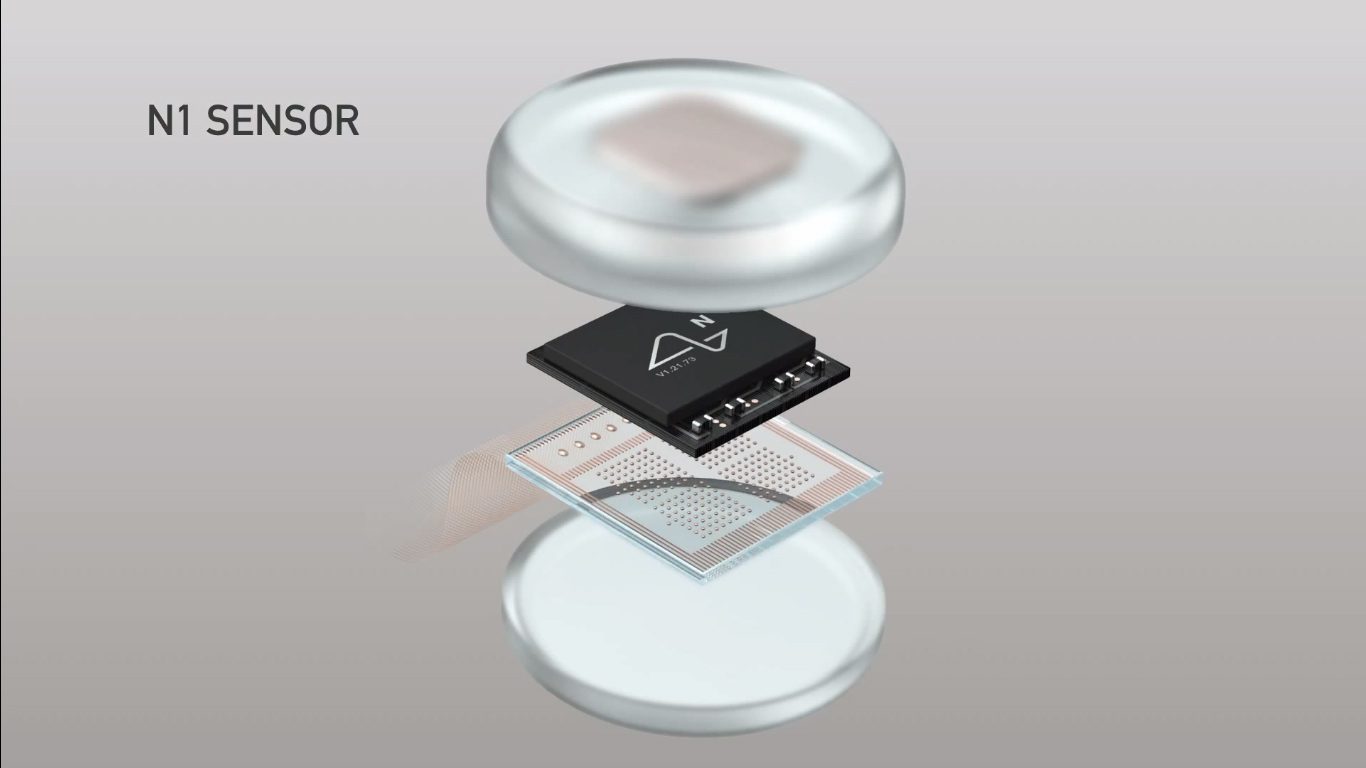
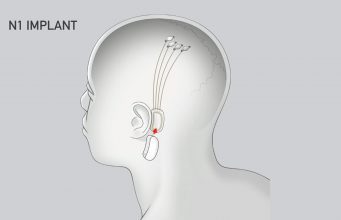
The company’s ‘N1 sensor’ prototype implant was presented as a very small, implantable system on a chip (SoC) that has thin ‘threads’ that measure 4 to 6 μm in width. The company’s first implant is targeting disabled and/or diseased patients with damaged brain functions, such as spinal cord injuries.
The implant, which is supposed to attach to an external device that can be easily removed when not in use, is said to be capable of measuring spikes in the brain’s electrical current. The end goal is reading, processing, and eventually ‘writing’ information back to neurons via these tiny, flexible threads.
What’s more, Musk said at the company’s unveiling that he wants Neuralink’s neural implants to one day become as common as LASIK outpatient procedures are today, something he continues to paint as the startup’s raison d’être.
Yes, should be possible to create a neural shunt from motor cortex to microcontrollers in muscle groups & restore movement even if someone has a fully severed spinal cord. First part has already been demonstrated with Utah array, but not as an outpatient device.
— Elon Musk (@elonmusk) July 30, 2020
As mentioned last year, the startup hopes to facilitate this sort of outpatient procedure by creating its own neurosurgical robot capable of inserting six threads (192 electrodes) per minute, the company says in its first research paper.
Neuralink’s ambitions are fairly clear: start a company that will one day serve neuro-typical users, and not just those with disabilities. What isn’t clear is how the company will get there, which is something we hope to learn more about on August 28th.
In the meantime, if you want to learn more about Neuralink, check out our wrap-up of the startup’s inaugural event which covers everything from the N1 sensor to the surgical robots the company unveiled last year.
The post Elon Musk: August 28th Update to Further Detail Neuralink’s Brain-computer Interface appeared first on Road to VR.
Ream more: https://www.roadtovr.com/elon-musk-neuralink-bci-bmi-update/
‘Gadgeteer’ to Leave Early Access in August, Including Most Requested Features

Gadgeteer, the Rube Goldberg-inspired physics VR game, is set to leave Early Access on PC VR headsets and Oculus Quest on August 27th, which is slated to arrive with a host of new features.
The game’s developer Metanaut says players can expect their “most requested features in the full release.” One of the most requested without a doubt has been the ‘Online Sharing’ function, which will let users share and play other people’s machines.
Online Sharing will also include the ability to ‘Like’ and bookmark a machine, filter between Puzzle and Sandbox machine types, and sort through ‘Hot’, ‘Popular’, and ‘New’ categories, Metanaut says.
Another feature coming to the 1.0 release is ‘Puzzle Designer’, which lets players create and share puzzles both locally and online. It basically sounds like Super Mario Maker, but with a crazy assortment of physics-based objects.
Metanaut says ‘Puzzle Designer’ will let you create obstacles, limit the number of usable gadgets, and test solutions for machines before uploading them online.
One of the other big features to arrive with the game’s full launch is 40 new gadgets, which are currently being tested in the open beta.
The studio is offering up beta access of the 1.0 version of Gadgeteer at some point in mid-August, which will be available to owners of the game. If you own a PC VR headset, you can fill out this form if you want to go hands-on with the new features before they go live.
You’ll find Gadgeteer on Steam (PC VR), and the Oculus Store for Rift and Quest, priced at $15.
The post ‘Gadgeteer’ to Leave Early Access in August, Including Most Requested Features appeared first on Road to VR.
Ream more: https://www.roadtovr.com/gadgeteer-early-access-release-date/
Thursday, July 30, 2020
‘Onward’ for Quest Early Access Review – Lower Friction, Lower Res, Same Great Core Gameplay
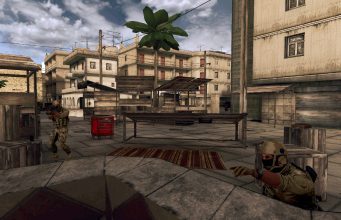
Onward has come a long way since it first launched into Early Access on Steam back in 2016. While we’re still waiting for a ‘full release’ of the game four years later, indie studio Downpour Interactive has managed to tighten up the team-based shooter to fit onto Oculus Quest, replete with PC VR cross-play. Although it notably suffers in the visual department, and could do with more polish, Onward offers the same intense gameplay, making it generally feel at home on the standalone headset.
Onward for Quest Details:
Developer: Downpour Interactive
Publisher: Coatsink
Available On: Oculus Quest
Release Date: July 30th, 2020
Price: $25
Note: This game is in Early Access which means the developers have deemed it incomplete and likely to see changes over time. This review is an assessment of the game only at its current Early Access state and will not receive a numerical score.
Gameplay
Onward is the archetypal mil-sim VR shooter: no crosshairs, no mini maps—just you, your five-person fire team, and a limited amount of ammo to eliminate the opposing force, be it the NATO-style ‘MARSOC’, or the Soviet Bloc-style ‘Volk’.
In its time on PC VR headsets, Onward has attracted a hardcore player base—a noteworthy feat considering many multiplayer VR games seem to be easily abandoned by both studios and players alike. Not so with Onward. Downpour Interactive has been gradually growing the game to offer up a good array of real-world weaponry, accessories, and smartly designed maps of varying sizes, all of it framed around a game that rewards users for marksmanship, communication, and team-based tactics. It’s easy to see why this uncompromising penchant for realism has garnered it a solid userbase, as some VR users just want to play War. Now Quest users can jump in and experience it all, of course with a few caveats worth mentioning.
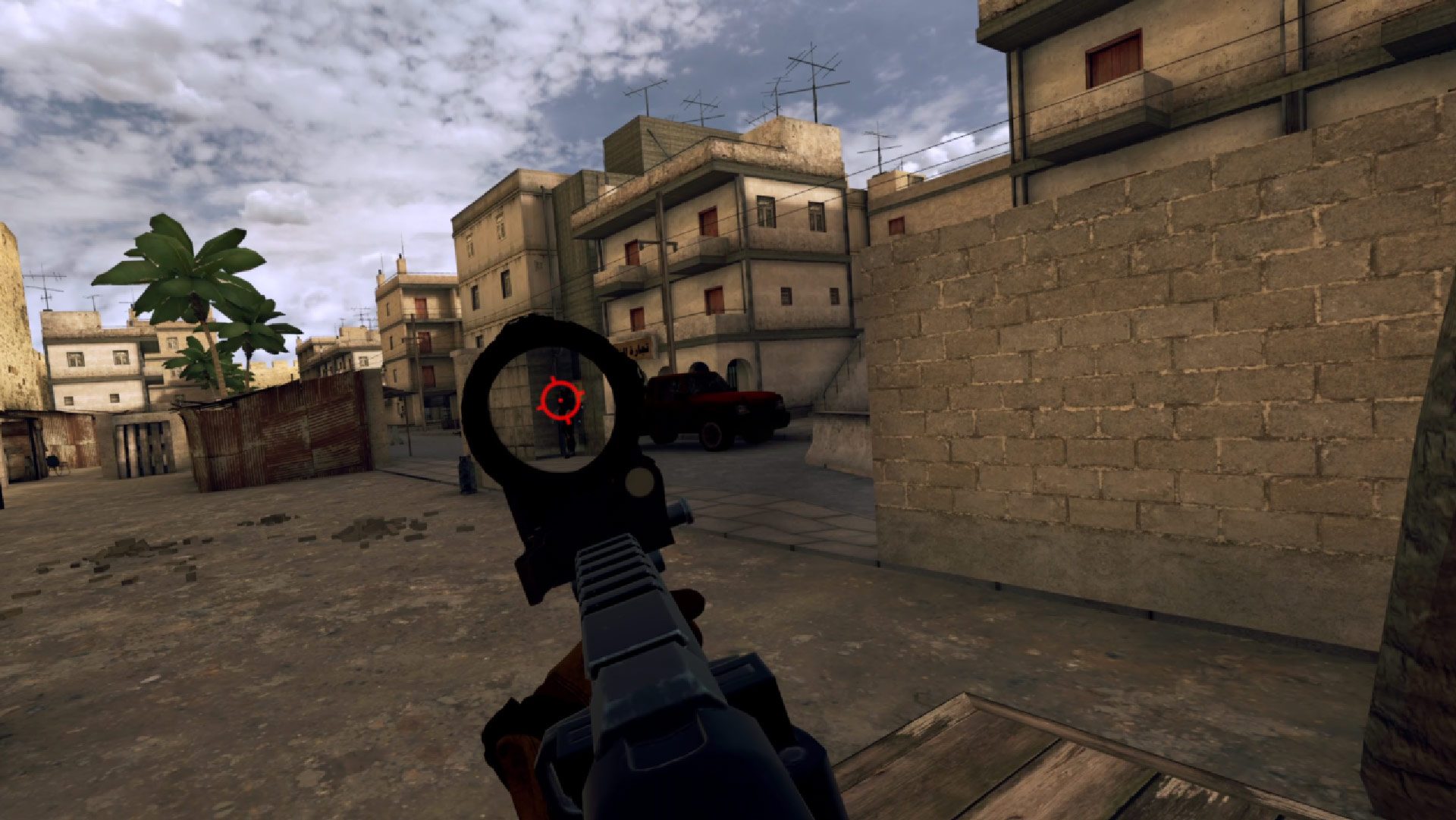
Like the PC VR version, the Quest port offers both online multiplayer (co-op and team-based modes) and single-player mode play with variable AI number and difficulty. Not all maps are available on the Quest version at the time of this writing, so there seems to be some more work to be done in bringing the Quest version up to parity with the PC VR version. For example, there’s no Workshop on Quest just yet, which allows users to create their own maps.
There are a few other things to know about before jumping in, which distinctly separates it from its PC forbear.
The Quest version is notably lower res than its bigger brother on PC VR, and can leave you squinting more than if it were being driven by a full-sized gaming PC and not the Quest’s SoC.
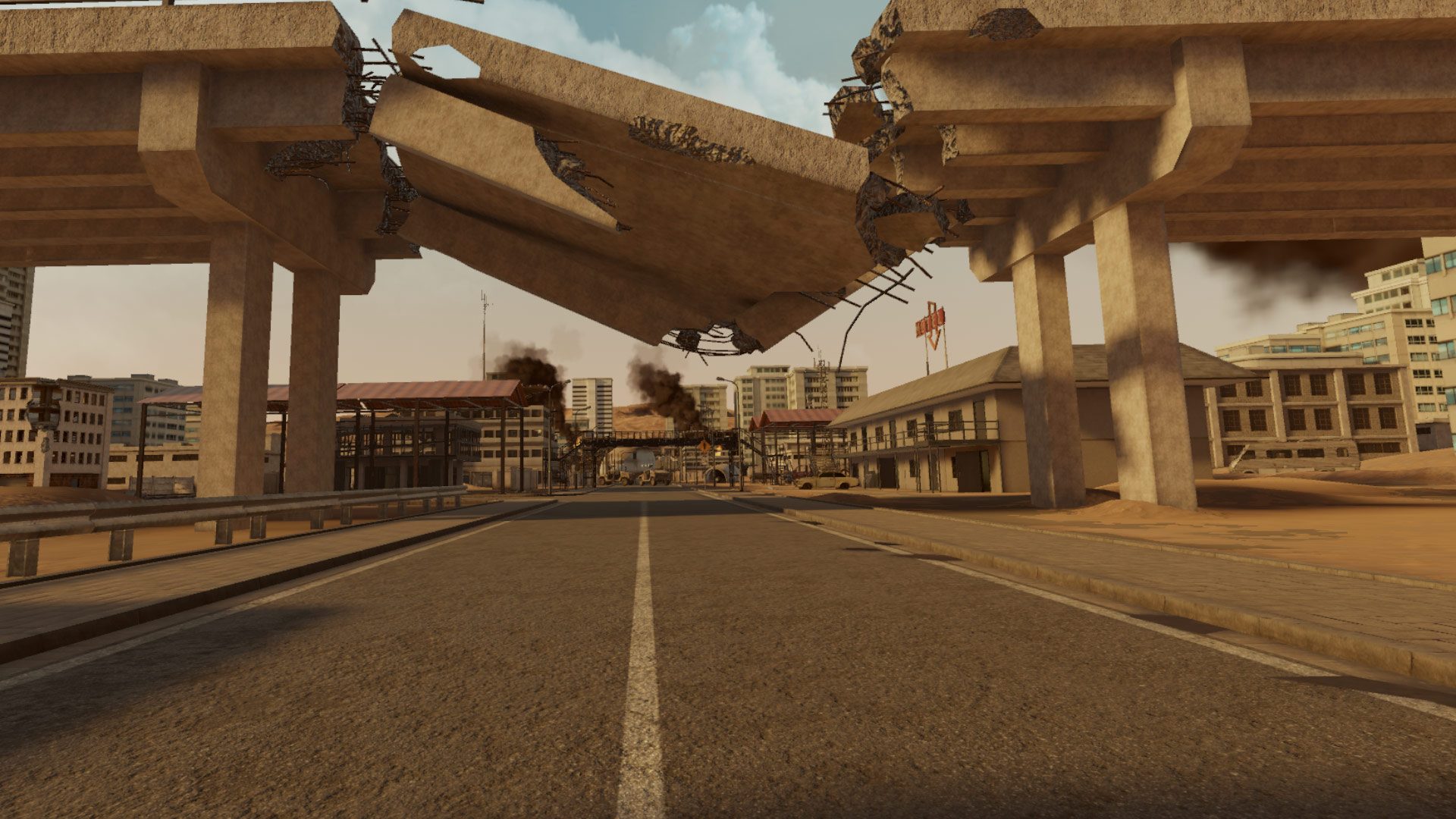
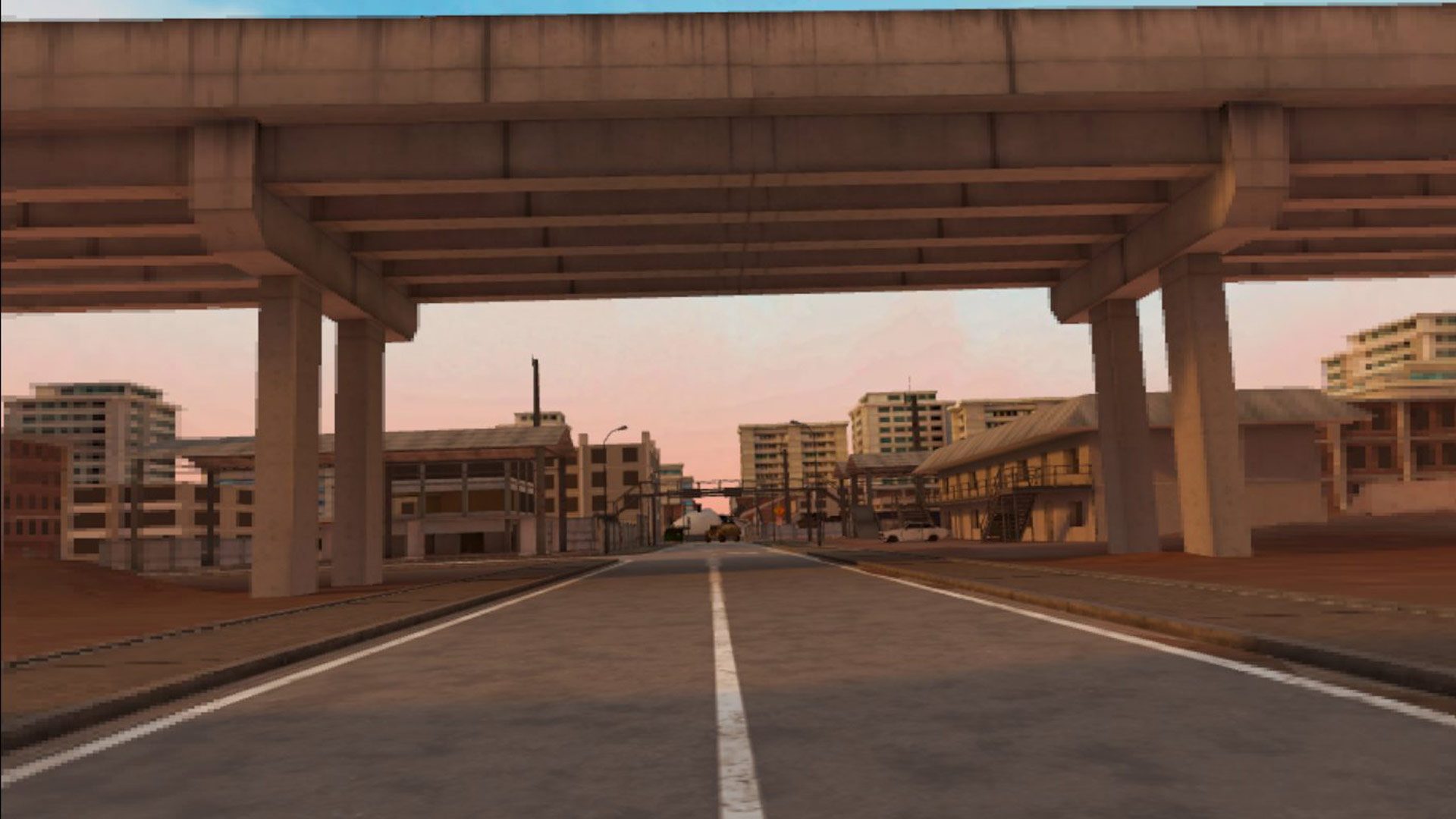
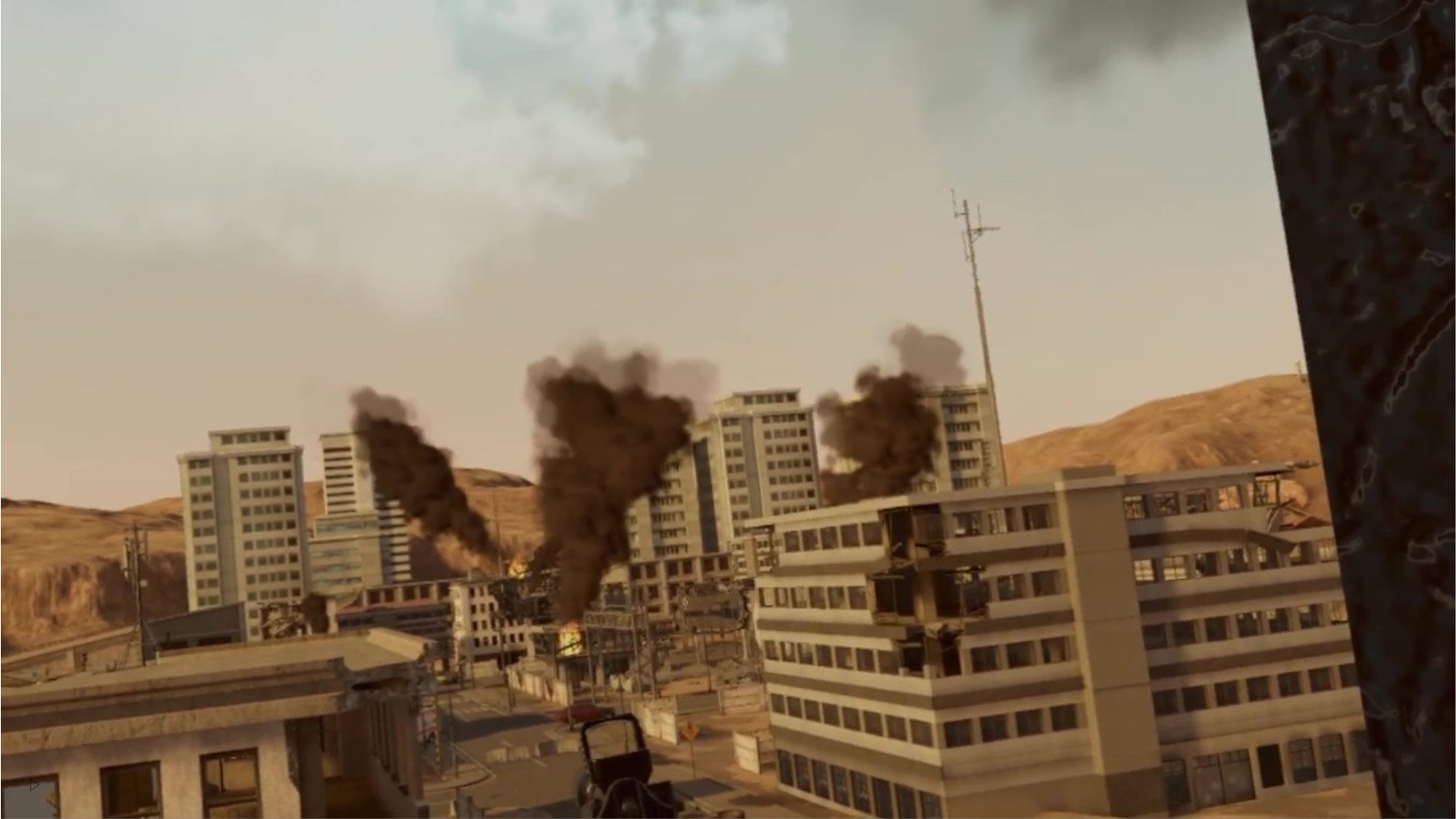
Although it may have more to do with the Quest’s displays, far field objects appear pixelated and are hard to distinguish without a scope attached to your rifle. Of course, this really only effects large-size maps where you’d be at a disadvantage without a scope anyway. Outside of this, it seems many of the maps currently available have a muddiness about them that makes target acquisition somewhat difficult, something that may be due to a lack of color contrast. As opposed to the PC version, playing Onward on Quest feels like the brightness has been turned down significantly. What was once a more vibrant mix of whites, yellows and blacks seem to be morphed into blues, reds, and browns. Some levels also seem to be too large to render all at once, so far field objects pop in and out depending on where you’re looking, which can be annoying.
As cross-play servers go live, it will be interesting to see what effect the Quest port’s more humble visuals will have on gameplay, and whether PC VR players will have a leg up or not as a result. Since I was only able to play against fellow Questers, I can’t say for sure for now, although the decreased visual fidelity didn’t stop the core game from truly shining in its online mode for me personally. Much of that fits into the ‘Immersion’ section below, so read on to learn more.
All said, the single-player portion of the game has a few goodies to keep you coming back when you aren’t in the mood for people (or losing constantly). It has a dedicated shooting range, a ‘free roam’ mode so you can check out all of the available levels, and a few game modes, including PvE ‘hunts’ and an infinite wave-based ‘evac’ mode where you battle against AI of variable difficulty and number. The AI can be a overpowered at moments, and always seemed to spot me before I was even capable of seeing them coming, although that seems to be the case on the PC version as well.
Immersion
What the game lacks in environmental realism—structures have a blocky, low-poly aspect to them—it makes up for in core mechanics.
It’s worth noting that the Quest version (predictably) strips away a bunch of the visual effects that have come to the game over the years, including dynamic lighting and certain particle effects such as smoke. At the same time, it ramps up immersion by letting you go wild and free without cables, which truly feels like how the game was meant to be played in the first place. I won’t spend any more time on the visuals, as we all know visuals are only a piece of the larger Immersion Puzzle.
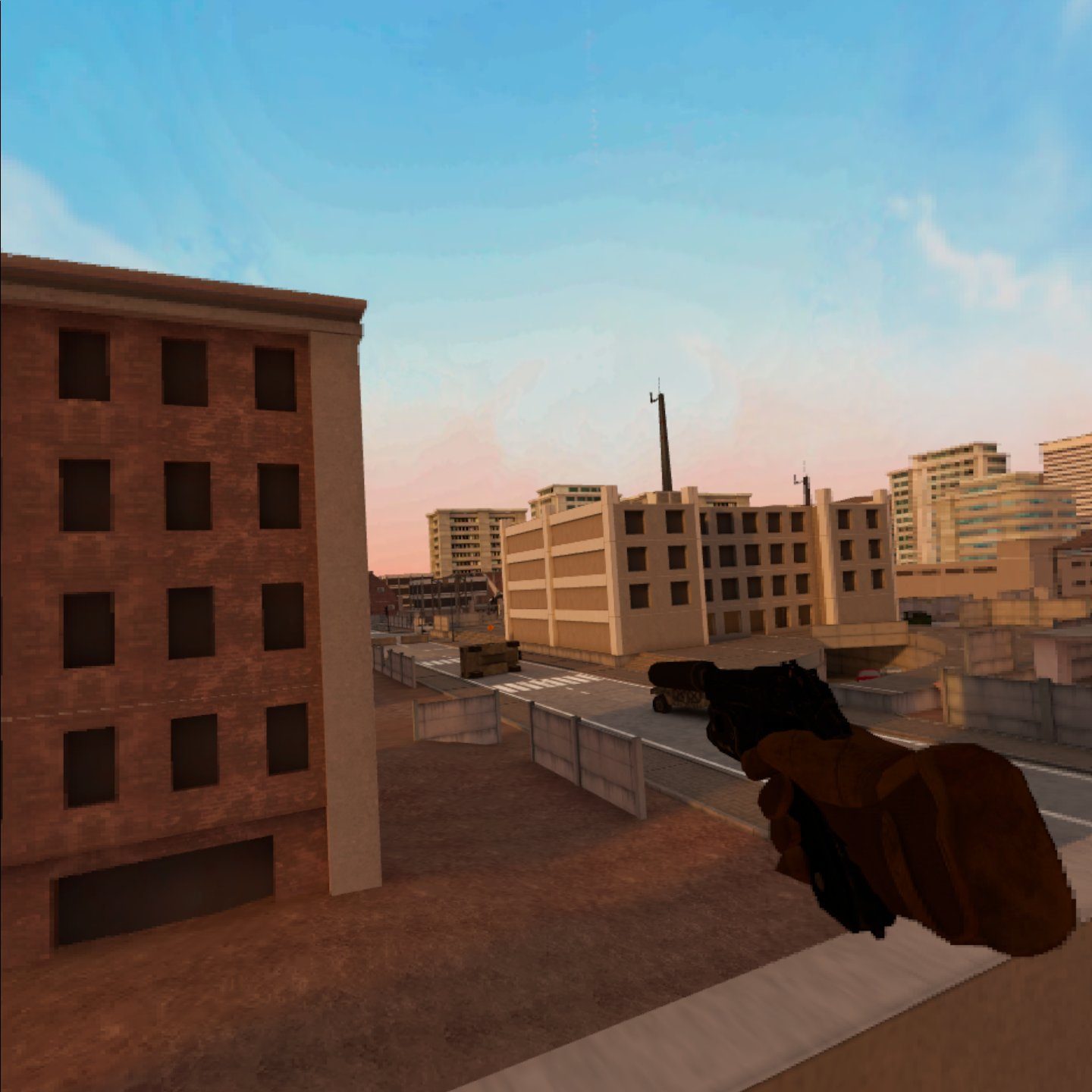
Getting into a prone firing position is liberating; the level of friction inherent to the PC VR version is just enough to make me want to either stand or slightly crouch, but on Quest I’m way more apt to make full use of body to get the best, most stable shooting position for the job. If it weren’t a blazing 38 degrees outside, I would love to play in a wide, open field with grass underneath my feet.
Another liberating aspect of Onward is the ability to toss a gun or ammo to a friend. If you and a buddy choose the same gun, say an AKM rifle, you can easily just hand them a new mag if they run out and you’re in a tight spot. It’s these moments when the world acts like you think it should, that you start to lose yourself in the action. And there’s plenty of action to be had when a well-trained group of hardcore Onward players are expertly zeroing in on your hiding spot.
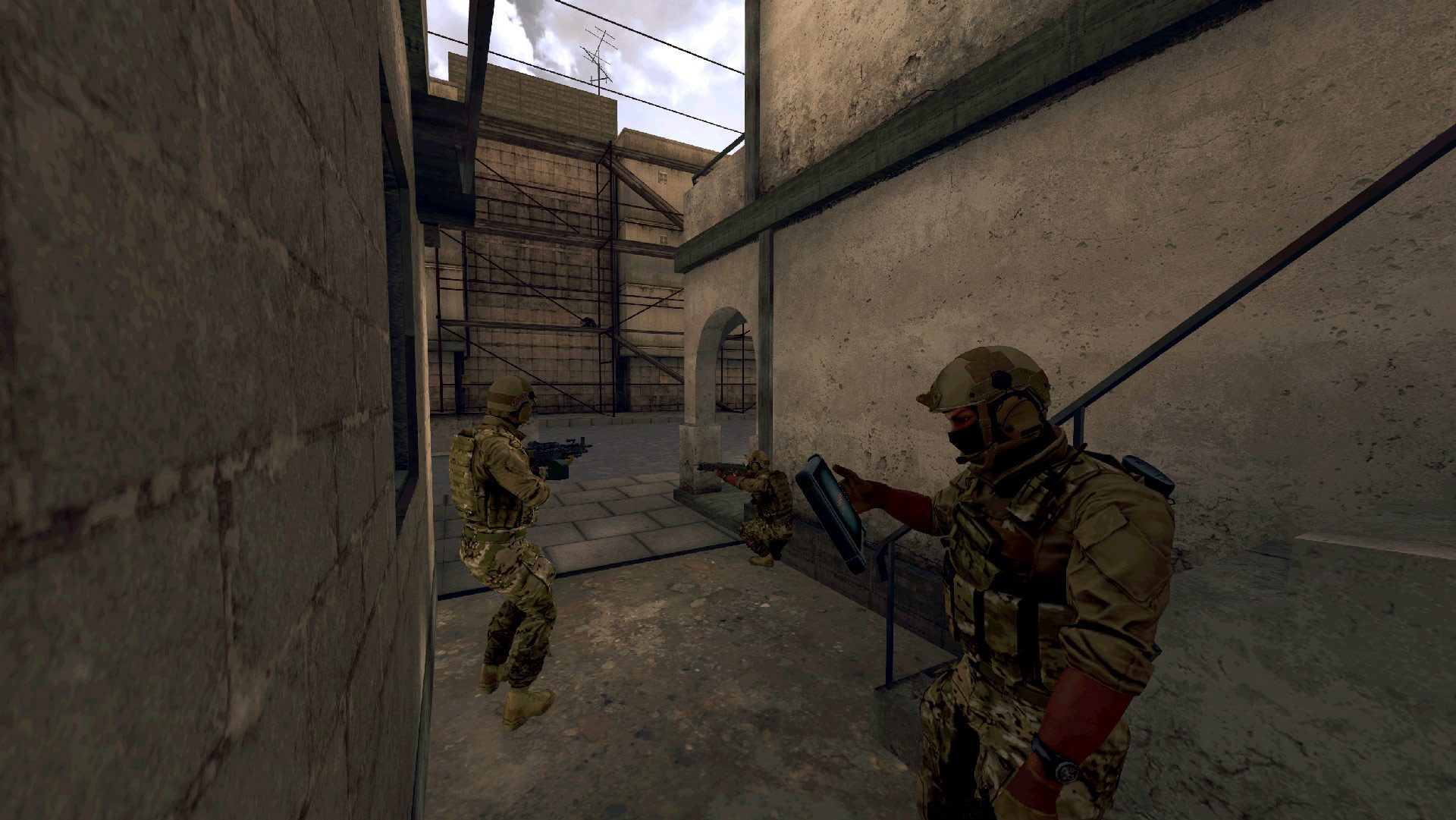
Personally the inventory system isn’t my cup of tea. Things are so densely packed on your body that you need to physically look down to differentiate between a mag, rifle, pistol, or otherwise. I get it: you need to carry everything with you and have easy access to it too, but I feel like new users will have a harder time developing that specific muscle memory over a more ‘gamey’ way of holding all your necessities.
There’s some things you may gloss over too, such as the game’s sound design. It’s actually super clever, and shows a keen ear for realism. Shooting from inside a house sounds very different to shooting outside. You’ll hear flies when you walk past a dumpster. A low level din of distant gunfire and alarms pervades nearly all levels, keeping the user on their toes as you listen for enemy chatter and the origin of gunshots.
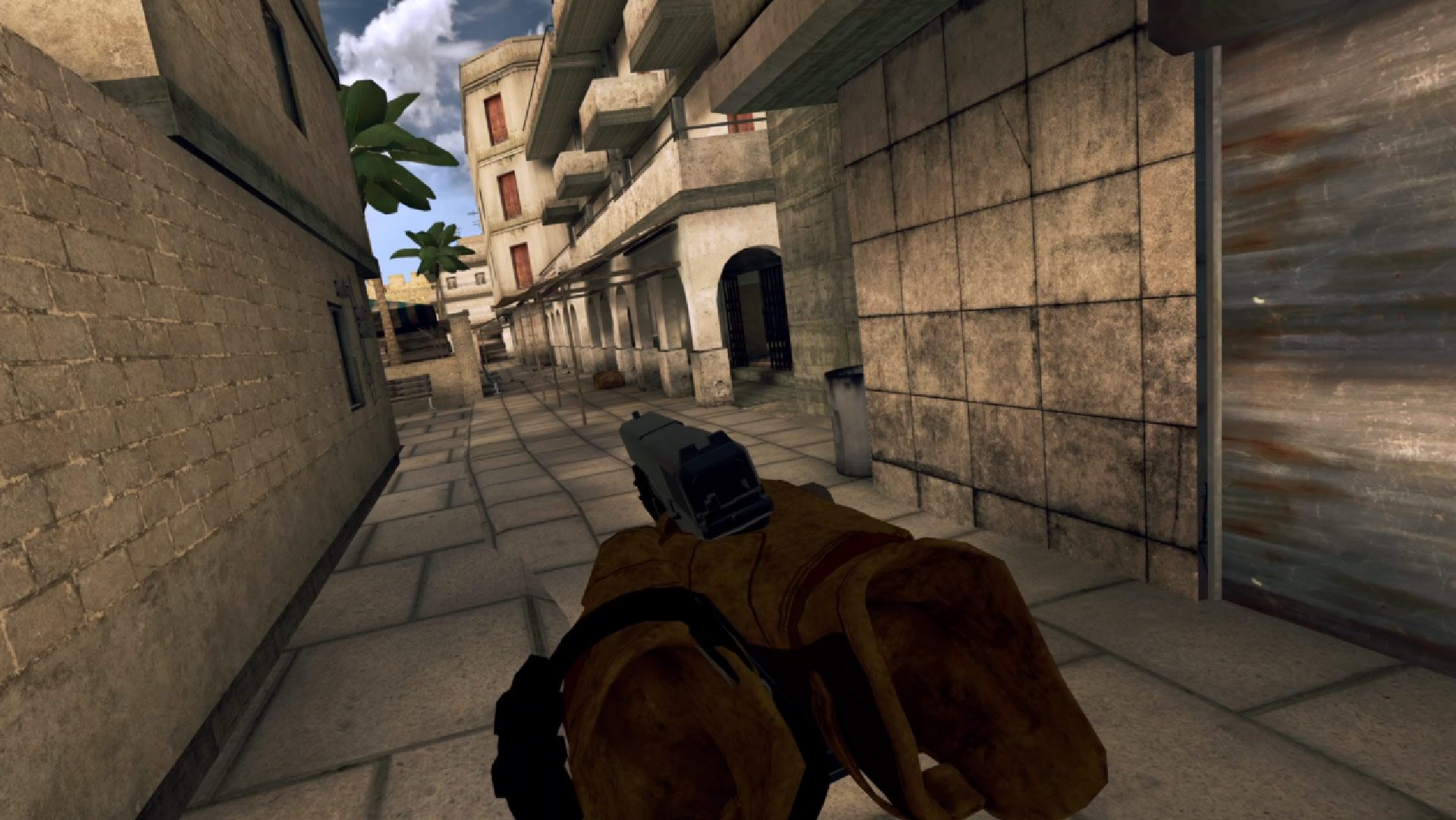
One thing I really love is the game’s radio, which is one of the smartest things I wish more FPS developers used. As soon as you’re out of direct vocal range, the radio becomes the only way you can communicate, and it requires you to physically hold down a button on your left shoulder, adding to the game’s realism. Once you’re out of vocal range you also lose the directional information of where your buddy is, making it necessary to call in where you are and keep the information flow tight and relevant to the task at hand.
Comfort
Onward is, for an FPS, an extremely comfortable experience. Walking and running are generally at a slow pace, and variable snap-turning is available if you prefer to stay front-facing—otherwise you’ll physically face the direction you want to head in.
The game has been a staunch supporter of hand-relative locomotion. I much rather prefer head-relative, which unfortunately isn’t an option here. Keeping your leading hand on the foregrip of your rifle mostly assures you’ll be walking in your intended direction, although I really wish head-relative was an option so I could play how I’m most comfortable.
Onward expects you to get up out of your chair, as there’s no dedicated seated mode. The more physical movement you’re able to do, the better.
Conclusion
Onward on Quest seems to keep all of the most important bits from the base game on PC VR. Gameplay is intense, and largely unaffected by the necessary cuts the studio had to make in order to shove the game onto Quest’s modest Snapdragon 835.
Once cross-play servers are open we’re guaranteed to find out whether those visual changes have helped, hurt, or kept the game neutral across all supported platforms. Whatever the case, you should always rely on your teammates, and there’s sure to be no shortage of them as Onward sallies forth with a muddy, but confident foot forward onto Quest.
Note: This game is in Early Access which means the developers have deemed it incomplete and likely to see changes over time. This review is an assessment of the game only at its current Early Access state and will not receive a numerical score.
The post ‘Onward’ for Quest Early Access Review – Lower Friction, Lower Res, Same Great Core Gameplay appeared first on Road to VR.
Ream more: https://www.roadtovr.com/onward-quest-early-access-review/
Super Stylish Rhythm-shooter ‘Pistol Whip’ Finally Arrives on PSVR
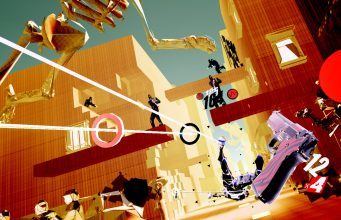
Pistol Whip (2019), the VR rhythm-shooter from Cloudhead Games, has been available on Oculus Quest and SteamVR-compatible headsets since late last year. Although it’s a few days shy of its originally planned July 28th release date, Pistol Whip is now here on PSVR.
Update (July 30th, 2020): Cloudhead has finally launched Pistol Whip for PSVR. The stylish rhythm-shooter is now live on the PlayStation Store, priced at $25. If you’ve never heard of Pistol Whip, check out why we gave it Road to VR’s 2019 SteamVR Game of the Year Award to learn more.
Original Article (April 29th, 2020): Cloudhead hasn’t said specifically when it will arrive on PSVR this summer (see update), however the studio says it will continue supporting the game in the months following its release on PSVR with fresh content updates, new levels, customization options, “and more to be revealed,” the studio teases in a PS blog post.
In case you haven’t heard of it before, or seen the game’s cinematic-style action, we gave Pistol Whip Road to VR’s 2019 SteamVR Game of the Year Award for good reason. It has an uncanny ability to marry rhythm and shooting, and does so with a really unique flair. It’s one of those games that inspires the flow state, where you sync up with the game and simply react; you shoot baddies on the beat and automatically move forward at a constant, frenetic clip to the punchy beats of each level.
Cloudhead has been issuing regular monthly updates since its release in November 2019 that bring new content to the game, much of it inspired by different film genres each time. This comes part and parcel with new game modes, weapons, skins, etc—all of it free.
Make sure to check out our review of Pistol Whip to find out why we gave it a really solid [8/10].
The post Super Stylish Rhythm-shooter ‘Pistol Whip’ Finally Arrives on PSVR appeared first on Road to VR.
Ream more: https://www.roadtovr.com/pistol-whip-psvr-launch-date/
‘Microsoft Flight Simulator’ VR Support Coming This Fall, Arriving Near Launch of HP Reverb G2

Microsoft Flight Simulator is officially getting VR support, the studio today revealed. It’s not coming day-one, but VR support is expected to arrive alongside (or very near) the launch of HP’s upcoming Reverb G2 headset, which is slated to arrive sometime this fall.
Update (July 30th, 2020): Microsoft today announced in a blog post that official VR support for the new Microsoft Flight Simulator will arrive as a free update to the base game sometime this fall with the release of HP Reverb G2.
An official HP retailer was spotted clearly advertising a September 15th release date for the headset, however HP confirmed with Road to VR that it hasn’t announced a date any more specific than ‘Fall 2020’. Whatever the case, it appears VR support will come fairly close to its late summer launch on August 18th.
Update (July 13th, 2020): Pre-orders for Microsoft Flight Simulator 2020 are now live, with a launch date slated for August 18th. A new FAQ posted on the game’s official Discord channel stated today that while still unconfirmed at this time, VR support is still a “top wish list item post-launch.”
We were hoping for more news regarding when VR support can be expected, however the studio is staying mum on any further talk of VR support.
Original Article (October 10th, 2019): Speaking to AVSIM, head of Microsoft Flight Simulator Jörg Neumann reveals that although VR support wasn’t initially on the drawing table, that they’re trying to make it a possibility.
“It honestly wasn’t our plan [to support VR], but we are listening, and we heard it, so we will try our darnedest to make it happen,” Neumann explains. “Whether or not we’re going to pull it off for launch, […] we can’t commit to that at this point in time, but we have the desire.”
Microsoft Flight Simulator is slated to release on Xbox One and Windows 10 PCs sometime in 2020 (see update).
“Given that we genuinely want to make the sim that simmers want, we will try to prioritize that over other things,” Neumann continues. “In general, that is our outlook. We made a plan years ago of what we’re making, and we’ll adjust our plans based on feedback that we’re getting.”
You can listen to the entire audio of the interview with Neumann and CEO and co-founder of Asobo Studio Sebastian Wloch here, which touches how the project started in 2016, and more details on the inclusion of real-world weather, traffic and imagery to the sim.
The post ‘Microsoft Flight Simulator’ VR Support Coming This Fall, Arriving Near Launch of HP Reverb G2 appeared first on Road to VR.
Ream more: https://www.roadtovr.com/microsoft-flight-simulator-dev-will-try-darnedest-make-vr-support-happen/
Subscribe to:
Posts (Atom)
At $600K, Tundra Tracker Smashes Kickstarter Goal in Less Than 24 Hours
Tundra Tracker, the SteamVR Tracking tracker in development by Tundra Labs, has well exceeded its $250,000 Kickstarter goal in less than 2...
-
Please hit that subscribe button it honestly makes my day! Want to buy me a beer? https://streamlabs.com/theukrifter Want to chat VR? - J...
-
In Dreams, you can create your own worlds or play those of others, and there are some INCREDIBLE worlds out there. VR mode was just relea...

